A Homeowner's Guide to Cleveland's Roofing Codes
Embarking on a roof replacement is a significant investment in your home's safety and value. While choosing materials and colors is exciting, there's a crucial, often overlooked aspect that ensures your investment is sound: adhering to local building codes. For homeowners in Cleveland, navigating these regulations can seem daunting. They are not just bureaucratic red tape; they are essential standards designed to protect your property from our unique weather challenges, from summer thunderstorms to heavy lake effect snow. At Mainline Roofing and Construction, we believe an informed homeowner is an empowered one. This guide will demystify the essential building codes for roofing in our area, so you can approach your project with confidence, knowing it will be done right.
Why Building Codes are Your Roof's Best Friend
Think of building codes as a minimum standard for quality and safety. They are legally enforceable rules that specify how construction projects, including roof replacements, must be executed. The primary goal is to protect public health, safety, and general welfare. For a Clevelander, this translates to peace of mind.
These codes ensure that:
- Your Roof Can Handle Ohio Weather: Codes mandate specific installation techniques and materials that are proven to withstand high winds, heavy rain, and the significant weight of snow and ice that our winters often bring.
- Your Investment is Protected: A code-compliant roof is a durable roof. Following these standards helps prevent premature failure, leaks, and costly future repairs, ensuring the longevity of your new roofing system.
- Your Home's Value is Maintained: When it comes time to sell, a properly permitted and code-compliant roof is a major asset. It assures potential buyers and home inspectors that the work was done professionally and safely.
- Your Contractor is Accountable: Adherence to building codes separates reputable professionals from corner-cutting, untrustworthy contractors. A company that understands and follows the rules is demonstrating a commitment to quality and integrity.
Key Roofing Regulations Every Cleveland Homeowner Should Know
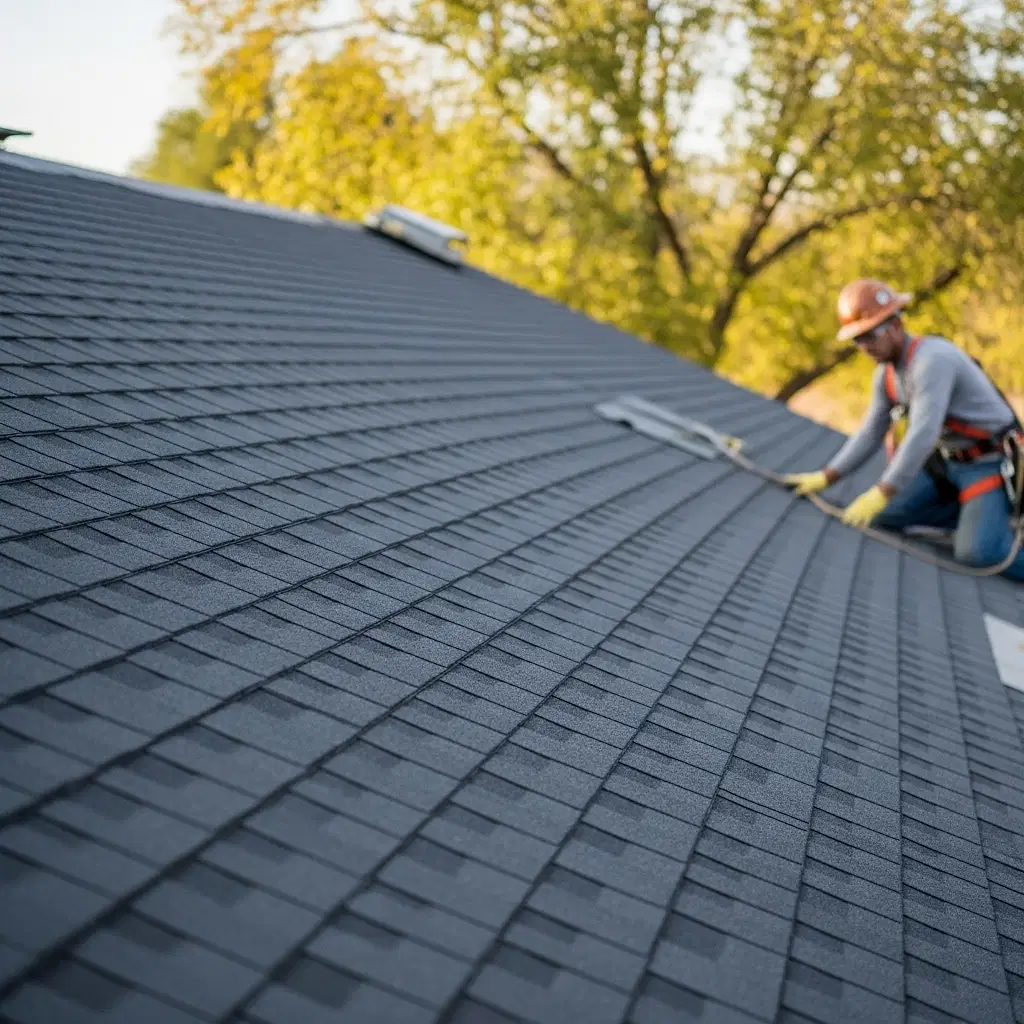
While the full Ohio Basic Building Code is extensive, several key provisions directly impact residential roofing projects. Understanding these will help you have more informed conversations with your contractor.
1. The Two-Layer Rule: In most cases, you cannot install a new layer of asphalt shingles over more than one existing layer. If your roof already has two layers, a complete tear-off of the old materials is required by code before the new roof can be installed. This ensures the roof deck can be properly inspected for damage and that the new roof isn't carrying excessive weight.
2. Ice and Water Shield Mandates: To combat the notorious ice dams that form on eaves during our freeze-thaw cycles, the code requires the installation of a self-adhering waterproof membrane, commonly known as an ice and water shield. This membrane must extend from the edge of the eaves up the roof to a point at least 24 inches inside the home's heated wall line. This is a critical defense against water infiltration caused by melting snow and ice.
3. Proper Attic Ventilation: A healthy roof needs to breathe. Building codes specify requirements for attic ventilation to prevent heat and moisture buildup. This is crucial for extending the life of your shingles, improving your home's energy efficiency, and preventing moisture-related issues like mold and wood rot in the roof structure.
4. Drip Edge and Flashing Requirements: A drip edge is a metal flashing installed at the edges of the roof to direct water away from the fascia and into the gutters. Code requires this on all shingle roofs to prevent water from rotting the underlying wood. Similarly, proper flashing is mandated around all roof penetrations—like chimneys, vents, and skylights—to create a watertight seal.
The Permitting and Inspection Process
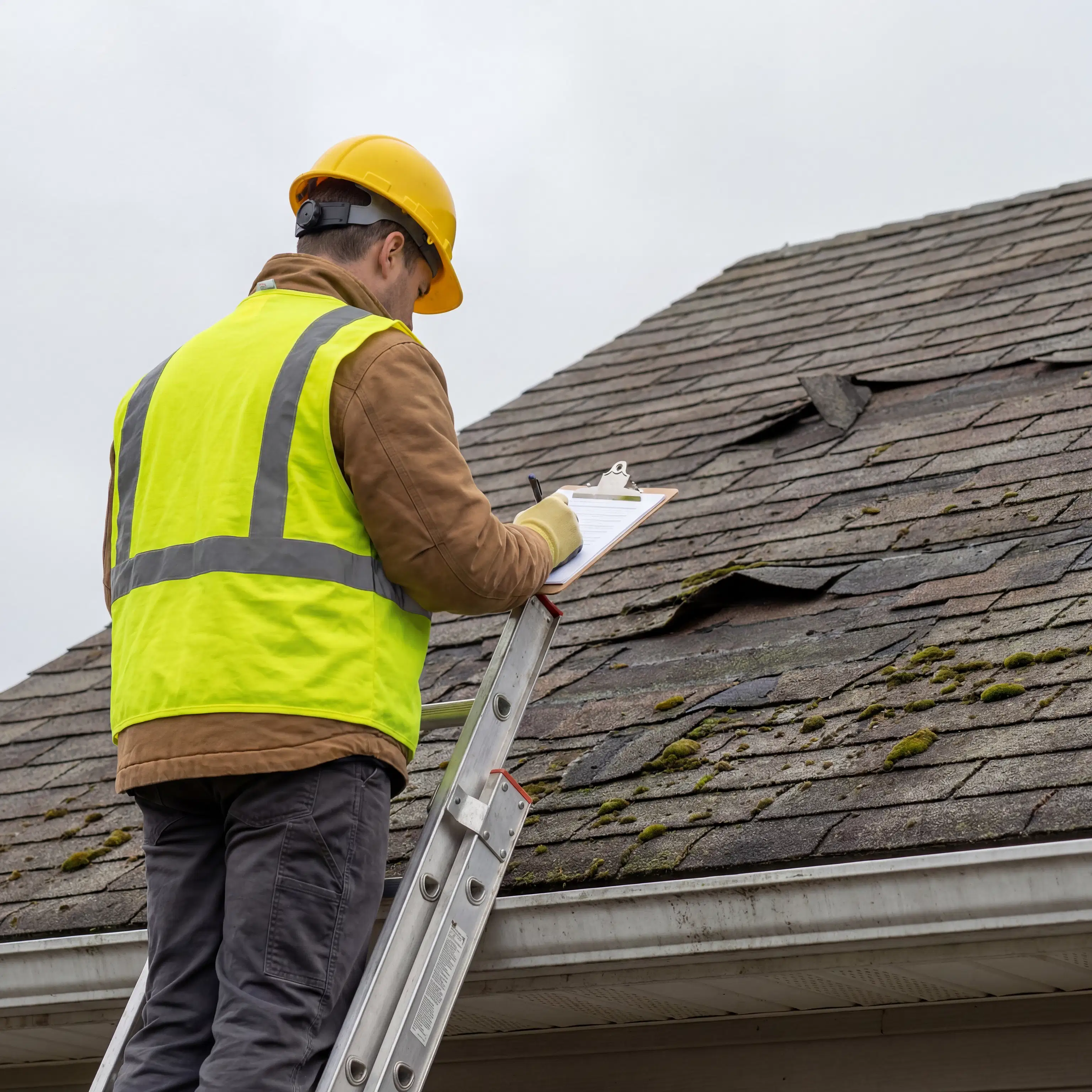
For most full roofing system installations, a building permit is required from your local municipality. This process is a safeguard that ensures the project is planned and executed in accordance with all applicable codes. While it might sound like a hassle, it's a process your contractor should manage entirely on your behalf.
The typical steps include:
- Permit Application: Your contractor submits the necessary paperwork, project details, and proof of licensing and insurance to the local building department.
- Plan Review: The department reviews the plan to ensure it meets code requirements.
- Inspections: A city inspector will likely visit the site at least once. This could be an "in-progress" inspection to check things like the ice shield installation before it's covered by shingles, and a "final" inspection to approve the completed work.
Choosing a contractor who is unfamiliar with or tries to bypass this process is a major red flag. Failing to secure a permit can lead to fines, orders to tear off the new roof, and significant trouble when you try to sell your home.
Your Partner in a Code-Compliant Roof Replacement
Understanding building codes underscores the importance of hiring a trustworthy, knowledgeable, and local roofing contractor. At Mainline Roofing and Construction, our commitment to integrity means we don't just meet the minimum standards—we aim to exceed them. We handle the entire permitting and inspection process, ensuring every aspect of your new roof is fully compliant, safe, and built to provide decades of protection.
Don't let regulatory details overwhelm you. A properly installed, code-compliant roof is the best way to protect your home and your family. If you're considering a roof replacement in the Cleveland area, contact us today for a transparent, no-obligation consultation. Let our expertise be your peace of mind.