
After the Storm: A Cleveland Homeowner's Guide to Spotting and Handling Roof Damage
As any Clevelander knows, spring weather can turn on a dime. One moment we're enjoying the sunshine, and the next, we're facing high winds, driving rain, and even hail. After a long winter of lake effect snow, our homes are put to the test again by severe spring storms. While your roof is your home's first line of defense, it also takes the biggest hit. Knowing what to look for after a storm passes is crucial for protecting your property and preventing small issues from becoming costly problems.
Many homeowners feel overwhelmed and unsure where to start. How can you tell if you have damage? Who should you call? At Mainline Roofing and Construction, we believe in empowering our neighbors with knowledge. This guide will walk you through how to safely assess your roof, identify common types of storm damage, and take the right steps to secure your home.
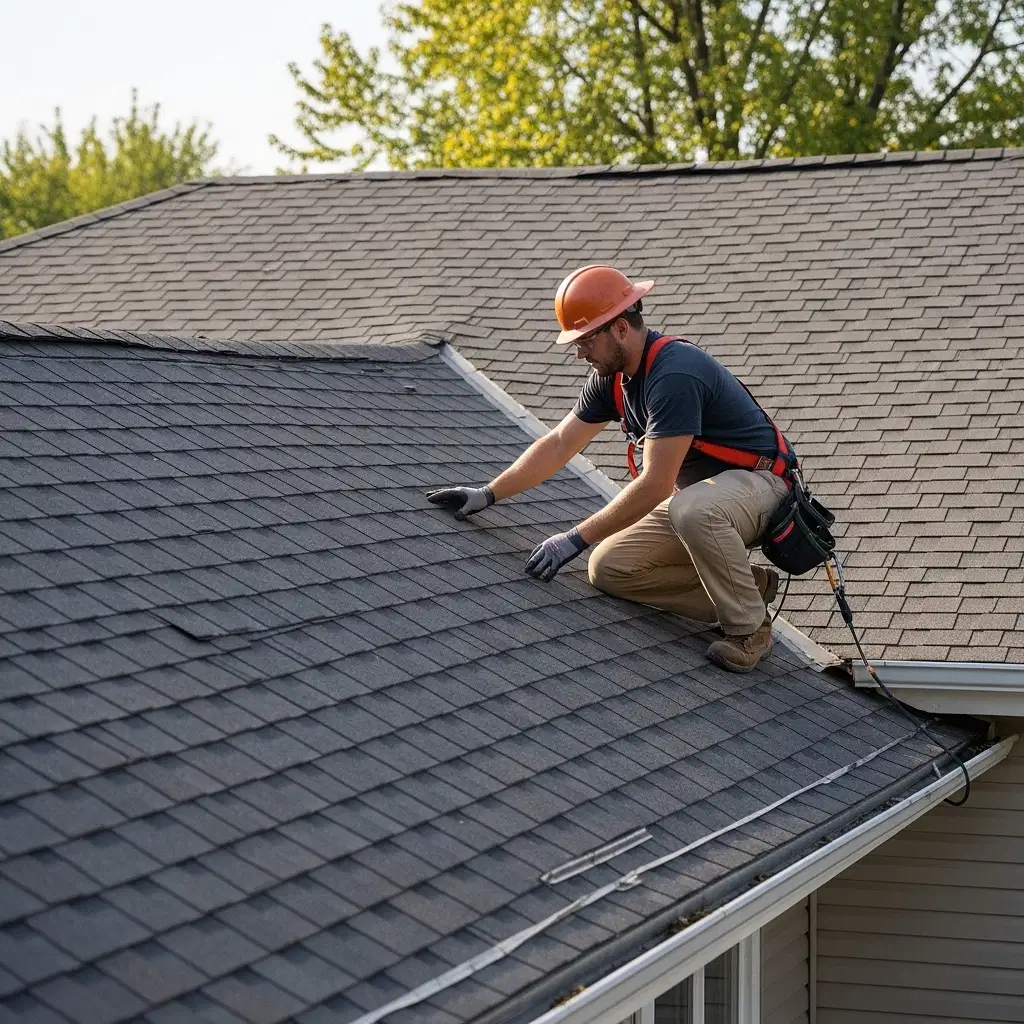
Step 1: The Safe Ground-Level Inspection
Your safety is the top priority. Never climb onto a wet or potentially damaged roof. You can spot most initial warning signs from the safety of the ground. Grab a pair of binoculars if you have them and walk the perimeter of your home, looking for these common red flags:
- Missing or Damaged Shingles: This is often the most obvious sign of wind damage. Look for shingles that are completely missing, cracked, curled at the edges, or have a noticeable crease from being bent back by the wind. Don't forget to check your yard and garden beds for any shingles that have blown off.
- Hail Damage: Hail can be deceptive. On asphalt shingles, it often creates dark, random bruises where the protective granules have been knocked off. You might also see dents on metal flashing, roof vents, and gutters. Siding can also show cracks or holes from significant hail impact.
- Gutter and Downspout Issues: Check your gutters for dents, blockages, or an excessive amount of shingle granules. A large accumulation of these sand-like granules can indicate that the storm has aged your roof significantly.
- Damage to Flashing and Seals: Look closely at the areas around your chimney, vents, and skylights. Damage to the metal flashing or sealant in these vulnerable spots can create an easy pathway for water to enter your home.
Step 2: What to Do Immediately After Spotting Damage
If your ground-level inspection reveals potential problems, taking swift action can save you from much bigger headaches down the road. Here’s what to do next:
- Document Everything: Before you do anything else, take clear photos and videos of all the damage you can see. Capture wide shots of the roof and close-ups of specific problem areas like missing shingles or dented gutters. This documentation will be invaluable if you need to file an insurance claim.
- Check Inside Your Home: Look for signs of water intrusion in your attic and top-floor ceilings. New water stains, peeling paint, or active drips are urgent signs that you need professional help immediately.
- Call a Trusted, Local Roofing Professional: After a major storm, you may see an influx of out-of-town "storm chasers" going door-to-door. It's essential to work with a reputable, local company that has a permanent presence in the community. A local contractor understands Cleveland's specific weather challenges and will be here to stand by their work for years to come. A professional inspection is the only way to truly understand the extent of the damage and determine the best course of action, whether it's a simple roof repair or a full replacement.
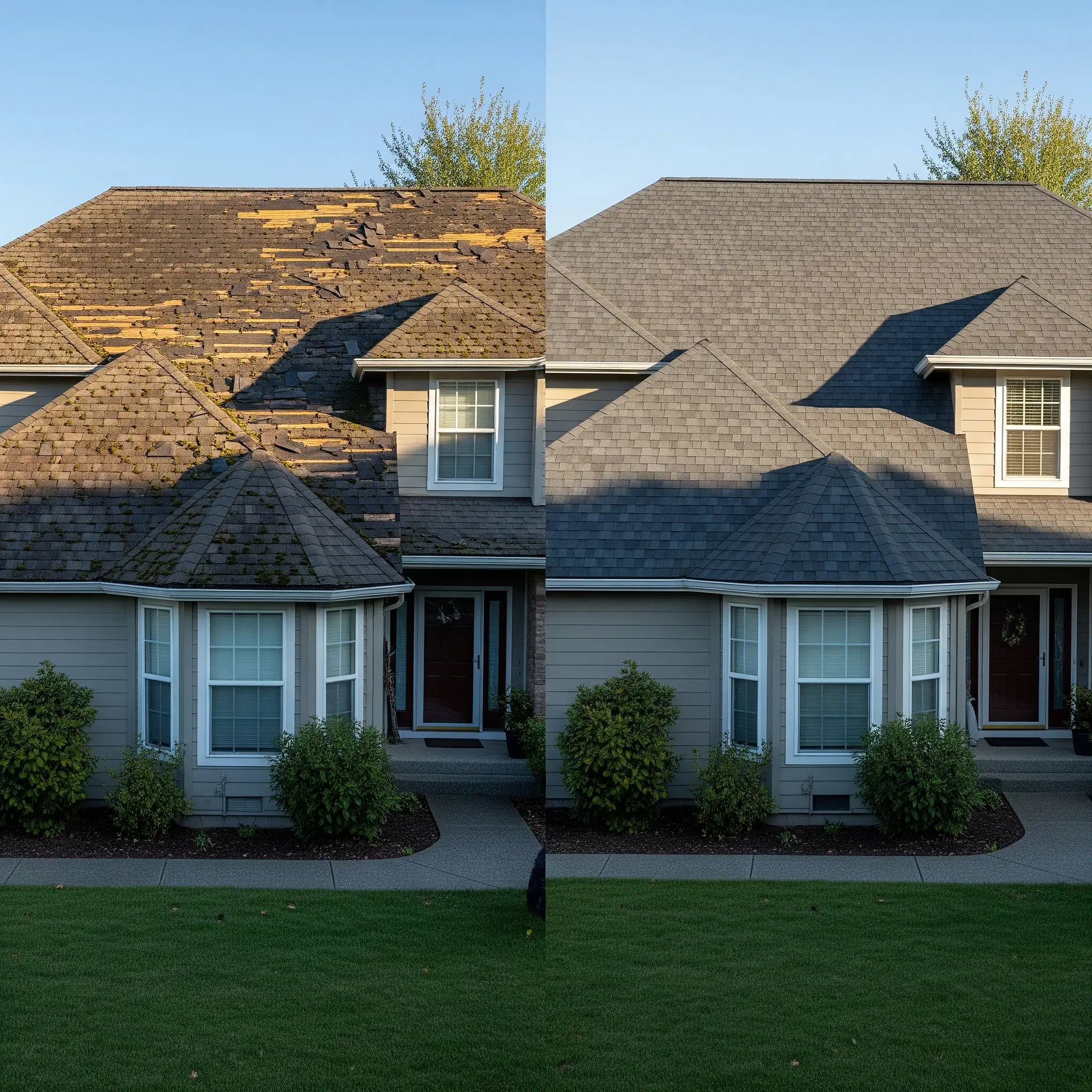
Step 3: Navigating Repairs and Replacements
Once a professional has assessed the situation, you'll have a clear path forward. The big question is often whether to repair or replace the roof.
- Repair: If the damage is isolated to a small area and your roof is otherwise in good condition, a targeted repair is often sufficient. This could involve replacing a few missing shingles or resealing flashing.
- Replacement: If the damage is widespread, your roof is older, or it has sustained significant granule loss from hail, a full shingle replacement may be the more cost-effective solution in the long run. A new roof provides comprehensive protection and peace of mind for decades.
Remember, storm damage isn't always confined to the roof. High winds and hail can also wreak havoc on your home's exterior. This is an ideal time to have your siding and gutters inspected as well. Damaged siding can compromise your home's insulation and defense against moisture, while clogged or broken gutters can lead to water damage to your foundation.
Your Trusted Partner in Storm Recovery
Dealing with storm damage can be stressful, but you don't have to go through it alone. The most important step is to get a prompt, honest assessment from a team you can trust. At Mainline Roofing and Construction, our core values are integrity, transparency, and a commitment to our local community. We're here to provide a high-quality, lasting solution that protects your home and family.
If you have any concerns about your roof after a recent storm, don't wait for a small leak to become a major disaster. Contact us today for a free, no-obligation inspection. Let us help you secure your home here in the Cleveland area so you can have peace of mind, no matter what the weather brings.