Don't Let Ice Dams Win: How Proper Attic Ventilation Protects Your Cleveland Home
Those long, sparkling icicles hanging from your roofline can look beautiful on a crisp winter day. But for many Cleveland homeowners, they’re a sign of a hidden and destructive problem brewing overhead: an ice dam. More than just a winter nuisance, ice dams can force water under your shingles, into your attic, and down your walls, leading to rotted wood, damaged insulation, and costly repairs. While it’s easy to blame our notorious lake effect snow, the real culprit often lies within your attic.
The secret to preventing this damaging cycle isn't just about having a good roof—it's about having a smart roofing system. A key, and often overlooked, component of that system is proper attic ventilation. In this guide, we'll break down how ice dams form and explain how a well-ventilated attic is your home's best defense against the harsh realities of a Northeast Ohio winter.
What Exactly is an Ice Dam?
An ice dam is a ridge of ice that forms at the edge of a roof, preventing melting snow (water) from draining off. It’s a simple process with damaging consequences:
- Heat Escapes: Warm air from your living space rises and gets trapped in your attic.
- Snow Melts: This trapped heat warms the underside of your roof deck, causing the snow on top of the roof to melt, even when the outside temperature is below freezing.
- Water Refreezes: The meltwater runs down your roof until it reaches the cold eaves and gutters, which are not warmed by the attic heat. Here, the water refreezes, creating a small dam of ice.
- Damage Begins: As this cycle continues, the dam grows larger. Water pools behind it, and with nowhere else to go, it seeps back up under your shingles. From there, it can leak into your attic and ceilings, compromising your home’s structure and leading to significant water damage.
Essentially, your roof becomes a battleground between a warm attic and freezing outside temperatures. Without a way to manage this temperature difference, the ice dam will almost always win.
The Critical Role of a Cold Roof
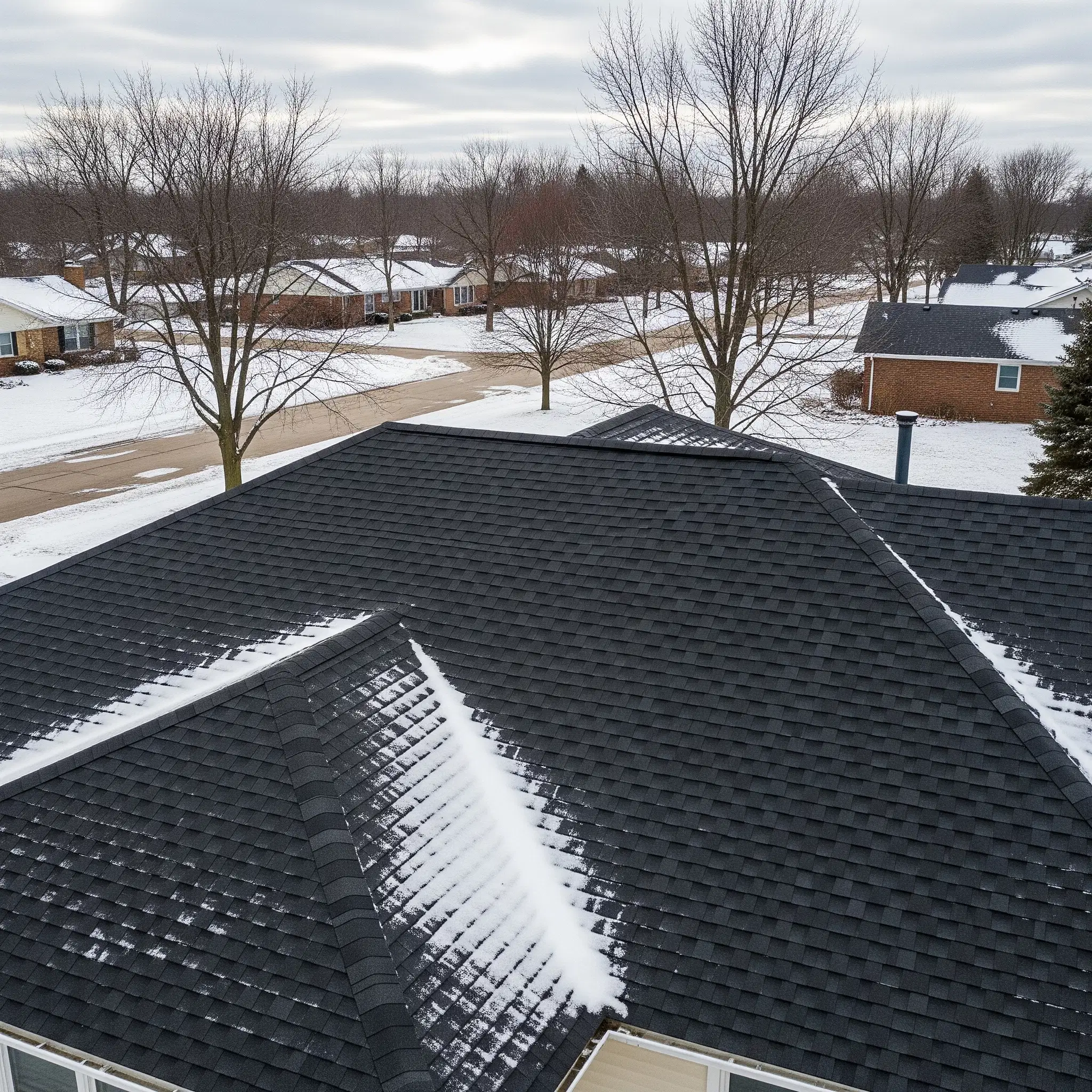
It might sound counterintuitive, but the goal for a healthy roof in winter is to keep it cold. A cold roof deck—one that stays close to the outdoor ambient temperature—prevents the snow on top from melting prematurely. This is where attic ventilation becomes so important.
A balanced ventilation system works by creating continuous airflow through your attic space. Here’s how:
- Intake Vents: Located in the soffits (the underside of your roof's overhang), these vents draw in cool, dry air from the outside.
- Exhaust Vents: Placed at or near the peak of the roof (like ridge vents or gable vents), they allow warm, moist air to escape.
This constant circulation of air flushes out the heat that escapes from your home, keeping the attic and the roof deck cold. It prevents the snow from melting and starting the ice dam cycle. Proper attic ventilation doesn't just protect you in the winter; it also helps extend the life of your shingles by preventing heat and moisture buildup in the summer.
Warning Signs of Poor Attic Ventilation
How can you tell if your attic isn't breathing properly? Your home might be giving you clues. Be on the lookout for these common signs of an inadequate ventilation system:
- Recurring Ice Dams: This is the most obvious winter symptom. If you see them year after year, it's a clear sign of an underlying issue.
- Attic Frost: In the winter, check your attic for frost or moisture on the underside of the roof sheathing or on exposed nail heads. This indicates that warm, moist air is condensing and freezing before it can be vented out.
- Stifling Summer Heat: A properly ventilated attic should be warm in the summer, but not excessively hot or stuffy. Extreme heat buildup can damage your shingles from the inside out.
- Curling or Cracking Shingles: Shingles that are deteriorating long before their expected lifespan are often a symptom of an overheated attic.
- Ceiling Stains: Dark spots on your ceilings can indicate leaks caused by ice dams or moisture condensation in the attic.
If you notice any of these issues, it's a strong indication that your attic ventilation needs to be professionally assessed.

Achieving a Balanced and Effective System
Fixing poor ventilation isn't just about adding more vents. It's about creating a balanced system where the amount of intake airflow matches the exhaust. Simply adding a roof vent without ensuring adequate soffit intake can fail to solve the problem and, in some cases, might even make it worse.
At Mainline Roofing and Construction, we believe in a holistic approach. When we perform a roof inspection or replacement, we don't just look at the shingles. We analyze the entire roofing system, including the attic ventilation and insulation. Our commitment to integrity and quality means ensuring every component works together to protect your home effectively.
Whether it's clearing blocked soffits, adding proper exhaust vents, or designing a ventilation strategy as part of a full roofing system installation, our goal is to provide a lasting solution that safeguards your investment.
Protect Your Home This Winter
Don't wait for a leak to tell you there's a problem. Understanding the role of attic ventilation is the first step toward preventing costly ice dam damage. By ensuring your attic can breathe, you protect your roof, your home's structure, and your peace of mind.
If you've seen the warning signs of poor ventilation or are tired of battling ice dams every winter, it's time to call in the experts. Contact Mainline Roofing and Construction today to schedule a free, no-obligation inspection. We’ll assess your home's ventilation and provide honest, transparent solutions to keep your home safe and dry through every Cleveland winter.