
How Freeze-Thaw Cycles Impact Shingle Longevity
If you have spent more than a few seasons in Cleveland, you already know that our weather is anything but predictable. One afternoon the sun might be shining brightly, melting the frost away, and by the very next morning, temperatures have plummeted back below freezing. While you might just grab an extra coat to deal with the shift, your home takes the full brunt of these rapid changes. Over time, these dramatic temperature swings take a hidden toll on your property, particularly on its highest point.
For many homeowners, the roof is an out-of-sight, out-of-mind feature until a leak appears in the ceiling. However, understanding the environmental pressures your home faces is the first step toward protecting your investment. The constant shifting between freezing and melting is one of the most destructive natural processes your exterior must endure. By learning how this cycle works, you can take proactive steps to extend the lifespan of your materials, manage maintenance costs, and keep your living space safe, dry, and energy-efficient year-round.
The Science Behind the Damage
To understand freeze thaw cycle damage on asphalt shingles, we have to look at how water behaves. When water freezes, it expands by approximately nine percent. During a typical winter day, melting ice and snow turn into liquid water that naturally flows down your roof. As it travels, this moisture inevitably finds its way into the microscopic pores, natural gaps, and tiny fissures of your exterior materials.
When the sun goes down and temperatures drop, that trapped water freezes solid. The resulting expansion acts like a microscopic wedge, physically forcing the materials apart. When it warms up again, the ice melts, leaving behind a slightly larger crack that can hold even more water during the next freeze.
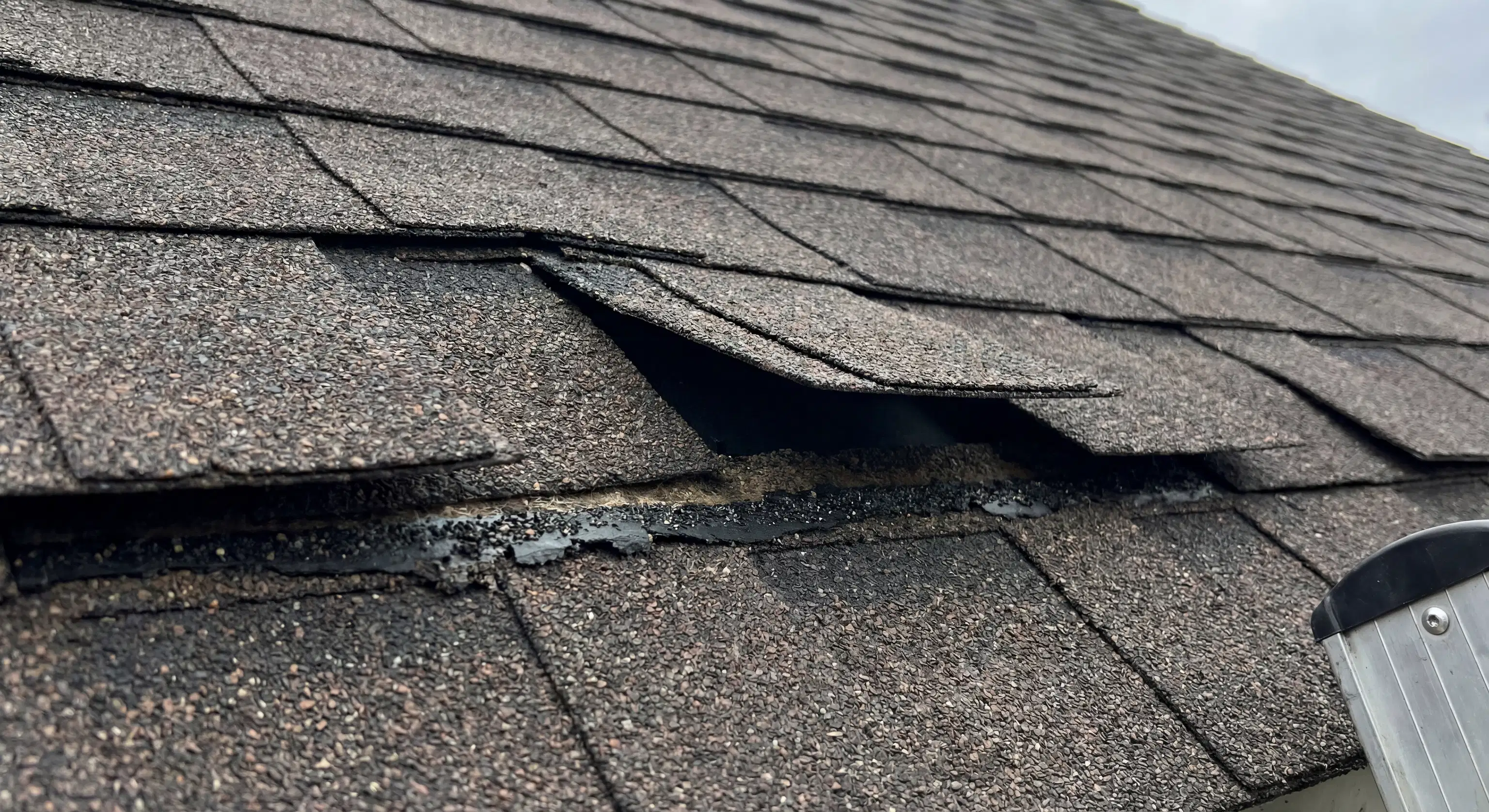
This continuous loop is exactly how temperature fluctuations cause roof shingle cracking over the years. What starts as a virtually invisible imperfection eventually splits the material, exposing the vulnerable underlayment beneath. Because these weather patterns are so frequent in our region, a minor weakness can quickly escalate into a major structural vulnerability. Furthermore, unpredictable weather often disrupts repair schedules, making it all the more important to address these invisible threats before the harshest part of the season begins.
Granule Loss and the Threat of Ice Dams
Beyond cracking, the expansion of ice heavily impacts the surface texture of your roof. Asphalt shingles are coated with tiny, crushed stone granules that provide color, fire resistance, and vital protection against harmful UV rays. Preventing winter shingle deterioration and granule loss is a common concern because as ice expands within the shingle, it physically dislodges these protective granules. If you notice an unusual accumulation of gritty sediment in your gutters after a rapid thaw, it is a clear indicator that the freeze-thaw cycle is stripping away your roof's primary defense layer.
This process is accelerated when heavy lake-effect snow piles up on the roof. As the heat escaping from your attic melts the bottom layer of snow, the water runs down to the colder eaves and refreezes, creating a solid barrier of ice. These ice dams trap subsequent runoff, forcing water to back up underneath your shingles.
Not only does this trapped water cause massive internal leaks and water damage to your ceilings, but the sheer weight of the ice can tear down your gutter system. This combination of granule loss, water infiltration, and structural stress is why maintaining proper attic ventilation and insulation is absolutely critical for any home in Cuyahoga county.
Proactive Solutions for Seasonal Protection
Given the fluctuating costs of building materials today, accurate long-term estimating is tough for both contractors and homeowners. The best way to protect your budget is to invest in high-quality materials and regular maintenance before a complete failure occurs. Upgrading your home's defenses means choosing products specifically rated for high winds and extreme temperature variances.
At Mainline Roofing and Construction, our core values are built on integrity, transparency, and forming genuine relationships within our community. We believe in providing honest assessments of your home's condition. Sometimes, a minor repair and improved attic ventilation are enough to mitigate ice dams. In other cases, extensive cracking and granule loss mean it is time for professional shingle replacements to ensure your home is fully secured.
When we take on a project, we prioritize a smooth, stress-free process for you and your neighbors. Our crews are trained to work efficiently, whether that means navigating tight property lines or ensuring our tear-off dumpsters are staged carefully on the street or driveway so we do not damage your tree lawn.
Defending Your Home for the Long Haul
Your home is likely your most significant investment, and its longevity relies on a strong, uncompromised exterior. The freeze-thaw cycle is an unavoidable reality of living in The Land, but severe structural damage does not have to be. By recognizing the early signs of thermal shock, granule loss, and cracking, you can take action before a small leak becomes a costly interior renovation.
Don't wait until the next bout of Lake Erie weather tests the limits of your aging shingles. If you suspect your home has suffered from years of temperature swings, reach out to the experts who understand local challenges. Explore our full range of roof repairs and replacements and contact us today for a transparent, honest evaluation of your property.