
Identifying and Fixing Roof Valley Leaks: A Homeowner's Guide
When it rains, your home's exterior is designed to shed water quickly and efficiently, routing it safely away from your foundation. But not all parts of your roof bear an equal burden during a storm. The roof valley—the distinct V-shaped intersection where two downward-sloping roof sections meet—is designed to funnel gallons of rushing water, melting snow, and falling debris straight into your spouting. Because of this high volume and concentrated flow, roof valleys are notoriously vulnerable to accelerated wear and tear.
For homeowners in Cleveland, protecting these critical junctions is especially important. Our homes face a unique set of challenges, from torrential spring rainstorms to volatile Lake Erie weather that can batter an aging roof. When winter arrives, the threat shifts to heavy lake-effect snow that piles into these valleys, eventually melting and refreezing. Over time, the stress placed on these structural seams can lead to hidden leaks that threaten your home's interior, insulation, and framing.
At Mainline Roofing and Construction, we have spent years diagnosing and solving complex exterior issues. We know that a minor drip in the attic can quickly escalate into a major interior restoration project. In this guide, we are going to walk you through how to identify the early warning signs of a valley leak, explore what causes these seams to fail, and explain the correct procedures for restoring the watertight integrity of your home.
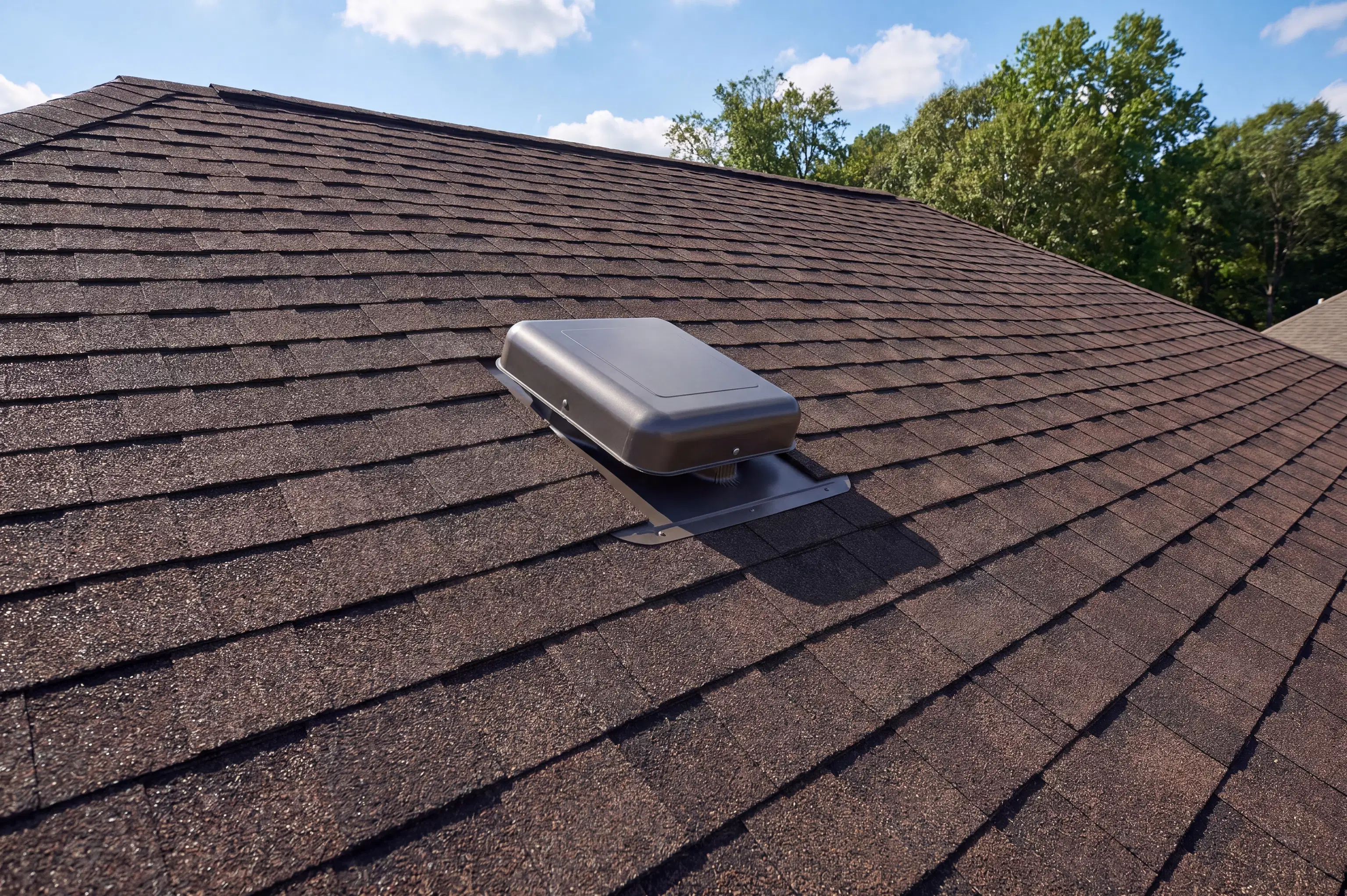
Recognizing the Signs of Roof Valley Flashing Damage
The most challenging aspect of a roof valley leak is that the visible damage inside your home rarely aligns perfectly with the actual entry point on the roof. Water is highly opportunistic; it will penetrate a compromised valley, travel down the underlying rafters or roof decking, and eventually pool before dripping through your ceiling.
To catch these issues early, you need to know what signs of roof valley flashing damage to look for. Inside your home, keep an eye out for mysterious brown water stains on your upper-floor ceilings or walls, especially near the center of the house where valleys are typically located. If you have access to your attic, take a flashlight up during a heavy rainstorm. Check the wooden decking directly beneath the roof valleys for damp spots, dark rot, or active dripping.
From the outside, you can often spot trouble before the water ever breaches your drywall. Stand in your yard and safely visually inspect the valleys. Are there missing, curled, or cracked shingles directly bordering the seam? If you have an open valley system (where metal flashing is exposed), look for heavy rust, buckling metal, or sections where the sealant has dried out, cracked, and peeled away. If you notice any of these red flags, water is likely already finding its way underneath the protective layers of your roof.
Understanding the Causes of Roof Leaks in Valley Seams
So, why do these robustly built seams fail? The primary causes of roof leaks in valley seams almost always trace back to severe weather, natural aging, or improper installation.
One of the biggest culprits in Northeast Ohio is our freeze-thaw cycle. When snow melts during a sunny winter afternoon, the runoff flows into the cold valley and refreezes as temperatures plummet overnight. This creates aggressive ice dams. As the ice expands, it forces its way beneath the shingles and valley flashing, prying up the materials meant to keep water out. Without proper attic ventilation and a high-quality ice and water shield installed underneath the valley, this trapped moisture will inevitably seep into your home.
Another common cause is the gradual breakdown of roofing materials. Asphalt shingles and the sealants used around valley flashing become brittle over years of UV exposure. When high winds sweep through, these weakened materials can be ripped away. Furthermore, if your home is surrounded by mature trees, leaves and pine needles can quickly accumulate in the valleys. This debris traps moisture against the shingles and metal flashing, accelerating the decay process and encouraging rust.
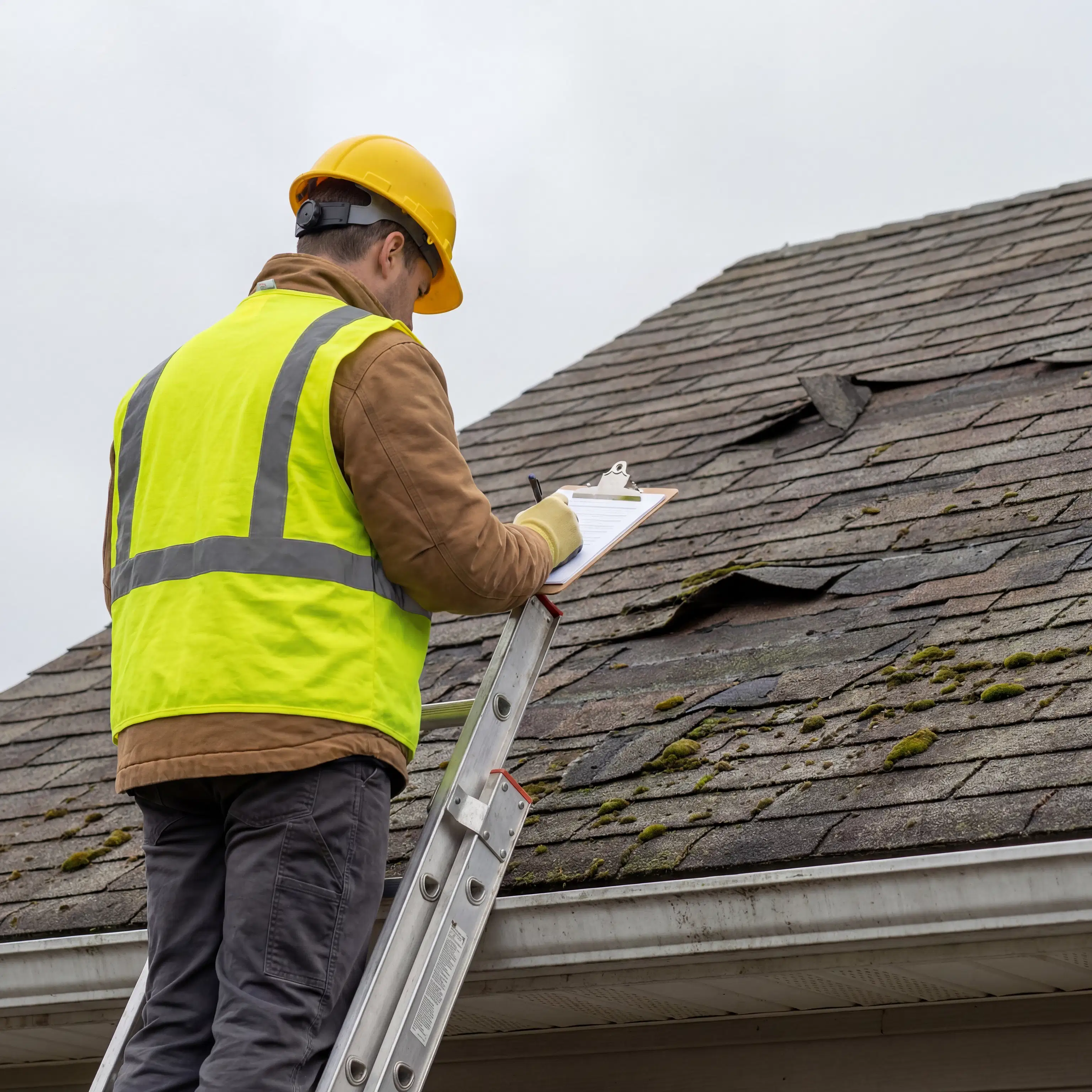
The Process: How to Fix Leaking Roof Valley Issues
When homeowners research how to fix leaking roof valley problems, they often find quick-fix tutorials suggesting a simple application of roofing cement or silicone caulk. While a tube of sealant might temporarily stop a minor drip, it is merely a band-aid solution that will inevitably fail—often during the next major storm. A true, lasting repair requires addressing the underlying structural compromise.
Properly repairing a valley leak begins with safely stripping away the affected shingles surrounding the seam to expose the flashing and the wooden decking beneath. This is critical because water may have rotted the wood, which must be completely replaced before any new roofing materials are applied. Once the solid decking is established or repaired, a specialized, heavy-duty ice and water membrane must be laid down. This self-sealing underlayment is essential for preventing future ice dams from penetrating the wood.
Next comes the installation of the flashing itself. Whether you are using a closed valley system (where shingles weave together over the seam) or an open valley (using a durable metal track), the installation requires precision. The shingles must be expertly cut, aligned, and nailed down in a very specific pattern to ensure water flows smoothly down the channel without catching on raw shingle edges.
Because of the steep angles, necessary fall-protection safety gear, and the sheer complexity of weaving shingles and flashing, this is a job best left to experienced professionals. An improper DIY valley repair can actually void your roofing manufacturer's warranty and lead to far more expensive damage down the road.
Trusting Your Home to Dedicated Local Professionals
After a severe storm rolls through the region, it is unfortunately common to see out-of-state storm chasers flooding local neighborhoods, knocking on doors, and offering cut-rate repairs. While their prices might seem tempting, they rarely stick around to honor their warranties or guarantee their craftsmanship. When dealing with critical structural components like a leaking valley, you need a contractor rooted in the community—someone who understands the exact weather challenges your home faces.
At Mainline Roofing and Construction, our top core values are integrity, delivering a high-quality product, and maintaining complete transparency with our customers. We aren't here to offer a quick patch; we are here to provide comprehensive roof repairs and replacements that stand the test of time. Whether you live on the East Side or the West Side, we treat your property with the utmost respect, ensuring our crews maintain a clean workspace from the roof peak down to the tree lawn where our materials are staged.
If you suspect that your roof valleys are compromised, or if you are simply due for a thorough inspection to prepare for the changing seasons, don't wait for a water stain to appear in your living room. Protecting homes across The Land is what we do best. Contact our team today for a transparent, honest evaluation, and let us restore your peace of mind with a roof built to weather any storm.