Is It an Active Roof Leak or Just Attic Condensation?
Winter in Cleveland brings a unique set of challenges for homeowners. Between the plummeting temperatures, freezing rain, and relentless lake effect snow, your home's exterior is put to the test every single year. One of the most alarming things you can experience during these frigid months is waking up to a dark, damp water stain spreading across your ceiling. Naturally, your first thought is probably that you need immediate emergency roofing services to patch a catastrophic hole.
However, water damage inside your home during the winter doesn't always point to a failing shingle or a breached flashing. Sometimes, the culprit isn't coming from the outside at all—it is coming from inside your own house. Understanding how to tell attic condensation from an active roof leak is an essential skill for any homeowner in our region. Misdiagnosing the problem can lead to unnecessary panic, wasted money, and ongoing damage to your property's structural integrity. At Mainline Roofing and Construction, we believe in transparency, honesty, and empowering you with the knowledge to make the right decisions for your home. Let's break down the differences between these two common winter moisture issues, how to identify them, and what steps you should take to protect your investment.
The Silent Culprit: Understanding Attic Condensation
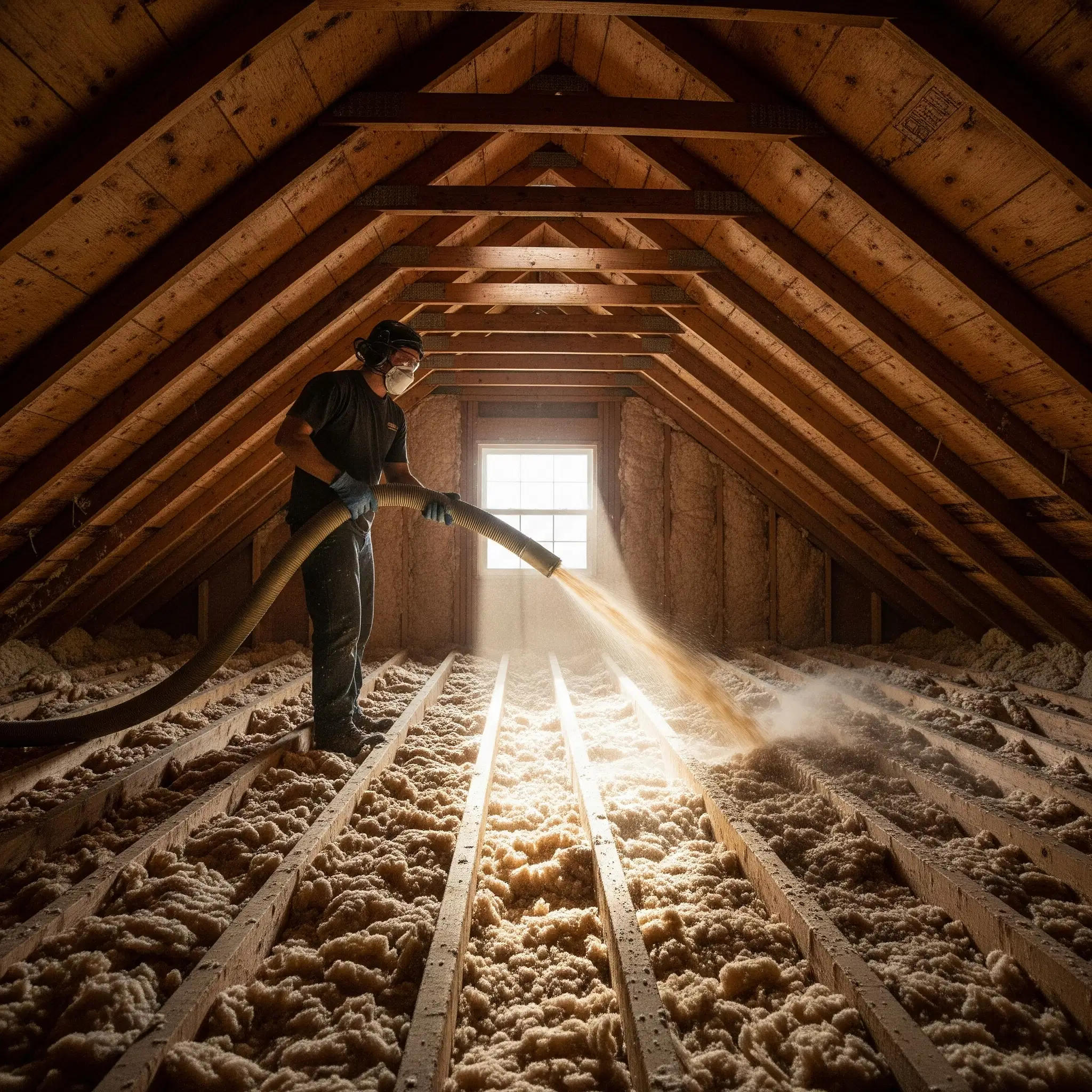
When we talk about signs of winter attic moisture problems, condensation is often the most misunderstood issue. During the colder months, we keep our homes sealed tight and crank up the heat. Everyday activities like cooking, taking hot showers, running the dishwasher, and even breathing generate a massive amount of warm, moist air. Because warm air rises, this moisture-laden air eventually makes its way into your attic space.
If your attic is improperly ventilated, that trapped humid air has nowhere to go. When it makes contact with the freezing cold wood of your roof deck, it instantly turns into liquid water or frost. Finding frost on the underside of roof sheathing is one of the most definitive indicators that you are dealing with a ventilation and condensation problem rather than a traditional breach in your roofing materials.
When the sun comes out and warms the roof, or when the attic temperature rises, that frost melts. It then drips down onto your insulation, saturating it and eventually seeping through your drywall ceiling. Because this dripping mimics a leak, homeowners frequently assume their roof has failed. However, a key way to tell attic condensation from a roof leak is by looking at the distribution of the moisture. Condensation typically spans across large, widespread areas of the attic uniformly. You might notice dampness across all the insulation or widespread mold and mildew growth on the rafters.
If left unchecked, severe condensation can rot your roof deck from the inside out, drastically reducing how long your asphalt shingle roof will last. It is a slow, insidious process that compromises your home's energy efficiency and structural safety.
Spotting an Active Roof Leak
In contrast to the widespread dampness of condensation, an active roof leak is usually much more localized. A leak happens when the physical barrier of your exterior roofing materials is compromised, allowing rain, melting snow, or ice to penetrate the building envelope. This can be caused by severe storm damage, missing or creased shingles from high winds, deteriorated flashing around your chimney or vents, or the dreaded winter ice dam.
So, how do you tell the difference by looking at it? A true leak typically leaves a concentrated, specific water trail. If you follow the damp spot in your attic, you will usually find it tracing back to a distinct point of entry. You might see a single rotted board, a visible gap where sunlight peeks through, or a water stain that originates around a roof penetration like a plumbing pipe.
Another indicator is timing. Condensation issues tend to worsen during long, frigid cold snaps when your home's internal heating is running constantly. Roof leaks, on the other hand, are highly dependent on the weather outside. You will likely notice a leak worsening during an active rainstorm, a rapid snowmelt, or when an ice dam forces pooling water backward under your shingles.
Homeowners often ask us how to tell if a roof needs replacing instead of just being repaired. If an active leak is caused by an isolated issue—like a single torn shingle or a cracked pipe boot—a targeted repair is often completely sufficient. However, if leaks are popping up in multiple locations simultaneously, or if the shingles are brittle, curling, and losing their protective granules, it may be time to consider a full replacement.

Professional Diagnosis and Prevention
Because distinguishing between these two issues requires navigating a dark, cramped attic and potentially climbing onto an icy roof, we strongly advise against risking your own safety to investigate. Today's modern roofing industry relies heavily on technology to provide clear, upfront pricing estimates and accurate diagnoses without putting anyone at unnecessary risk.
At Mainline Roofing and Construction, we utilize advanced drone inspections and detailed digital property reporting to assess the exterior condition of your home safely. This allows us to spot missing shingles, damaged flashing, and hidden structural issues quickly, providing you with a transparent quote that you can trust. We know that out-of-state storm chasers often flood the market after severe weather, making it hard to find reliable local contractors. As a business rooted in the community, our priority is giving you an honest assessment.
If we determine that your moisture issue is due to a structural breach, we offer comprehensive roof repairs and replacements tailored to your specific needs and budget. We will walk you through your options, including whether homeowners insurance might cover the replacement if the damage was caused by a recent storm.
If the diagnosis points to condensation, the solution lies in optimizing your attic ventilation. A healthy roof needs a balanced system of intake vents at the eaves and exhaust vents at the ridge. This continuous airflow sweeps that warm, moist air out of the attic before it has a chance to turn into frost. When we perform full roofing system installations, we don't just nail down new shingles; we engineer a complete system designed to breathe properly, ensuring your home remains protected from both external weather and internal humidity.
Secure Your Home's Winter Defense
Whether you are dealing with a localized breach or struggling with poor attic ventilation, ignoring water stains will only lead to more costly headaches down the road. Winter weather in Northeast Ohio is harsh enough without having to worry about what is happening above your ceiling.
Don't let the stress of unpredictable weather or the fear of hidden costs keep you from addressing moisture issues early. At Mainline Roofing and Construction, we are proud to serve The Land and its surrounding communities with integrity, high-quality workmanship, and a commitment to keeping your family safe and dry. We offer clear, transparent estimates so you know exactly what to expect before any work begins.
If you have noticed damp spots, water stains, or frost in your attic, let the trusted professionals take a look. Contact Mainline Roofing and Construction today to schedule a comprehensive roof inspection. Let us help you figure out exactly what your home needs so you can enjoy the rest of the winter with total peace of mind.