Is Your Roof Ready for Lake Effect Snow? A Homeowner's Guide
Every Clevelander knows that winter here is no joke. While the rest of the country sees a weather forecast for snow, we’re bracing for the real deal: lake effect snow. That heavy, wet, and relentless snowfall is a defining feature of life on the North Coast, and it puts a unique strain on our homes. Your roof is the first line of defense against the elements, but is it truly prepared for the weight and moisture that a Cleveland winter brings? Ignoring your roof until the first major storm can lead to costly damage, from leaks and water stains to dangerous ice dams. At Mainline Roofing and Construction, we believe in proactive care. This guide will walk you through the essential steps to ensure your roof is ready to protect your home all winter long, giving you peace of mind when the snow starts to fly.
The Unique Challenge of Lake Effect Snow
Lake effect snow isn't just another flurry; it's a powerful weather phenomenon that can dump inches—or even feet—of heavy snow in a very short time. This poses several specific threats to your roofing system:
- Heavy Snow Load: The sheer weight of accumulated snow can stress the structural integrity of your roof. A single cubic foot of wet, packed snow can weigh over 20 pounds. Over time, this can lead to sagging, cracking, or even more severe structural issues.
- The Formation of Ice Dams: Ice dams are thick ridges of ice that form at the edge of a roof, preventing melting snow from draining properly. This happens when heat from your attic warms the underside of the roof, melting the snow. The water then runs down to the colder eaves and refreezes. The trapped water can back up under your shingles, leading to significant water damage to your roof deck, insulation, and interior walls.
- Moisture Intrusion: The constant cycle of freezing and thawing can be brutal on roofing materials. Small cracks in shingles or flashing can be forced open by expanding ice, creating pathways for water to seep in once temperatures rise. This hidden moisture can lead to rot and mold growth before you even notice a leak.
A Pre-Winter Roof Inspection Checklist
Before the temperature drops for good, it’s wise to perform a visual inspection of your roof. Catching small problems now can prevent major headaches later. Here are a few key things to look for from the safety of the ground or, if you're comfortable, a securely placed ladder:
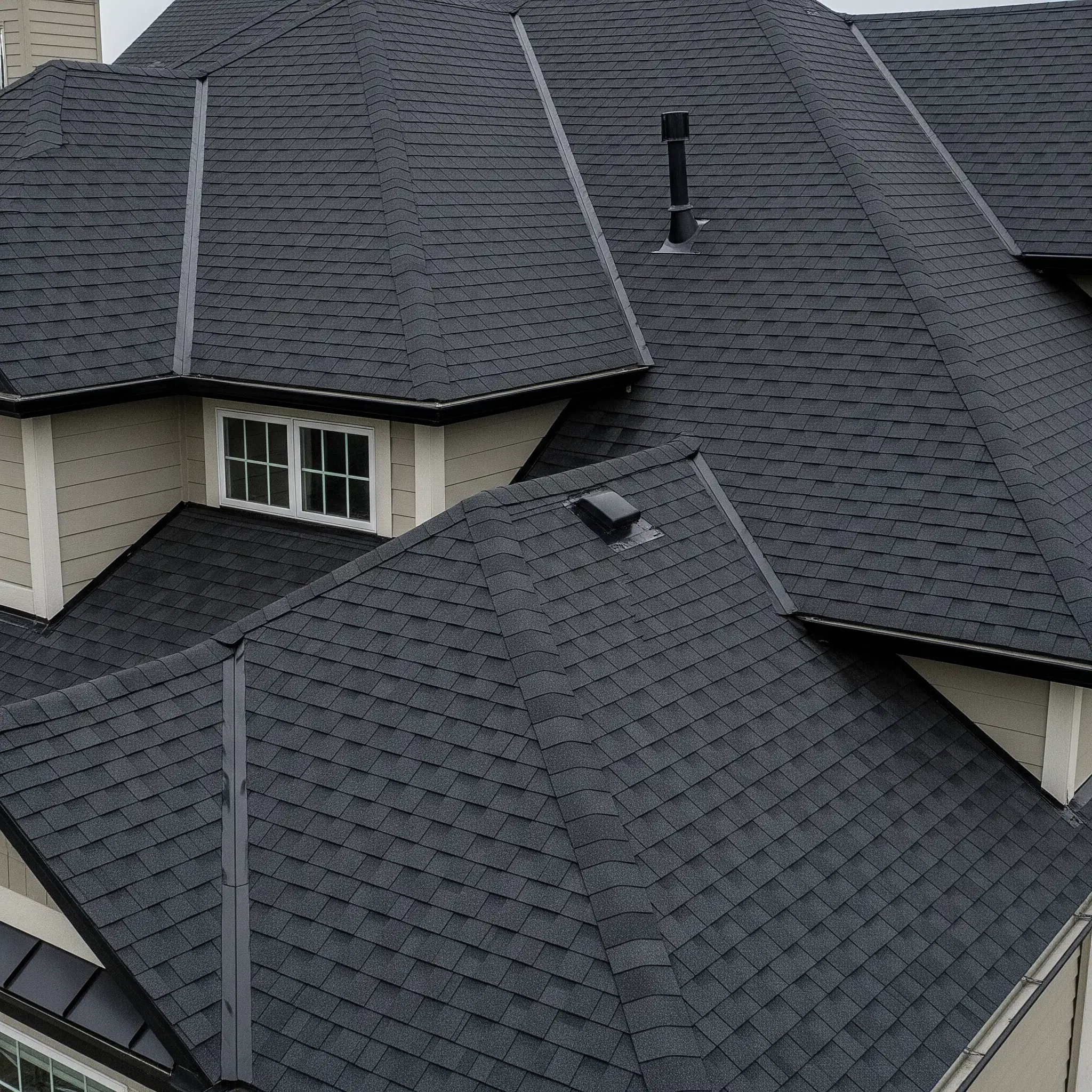
- Check Your Shingles: Look for any shingles that are cracked, curling, or missing entirely. These are weak spots where water can easily penetrate. Pay close attention to the shingles in valleys and around vents or chimneys, as these are common problem areas.
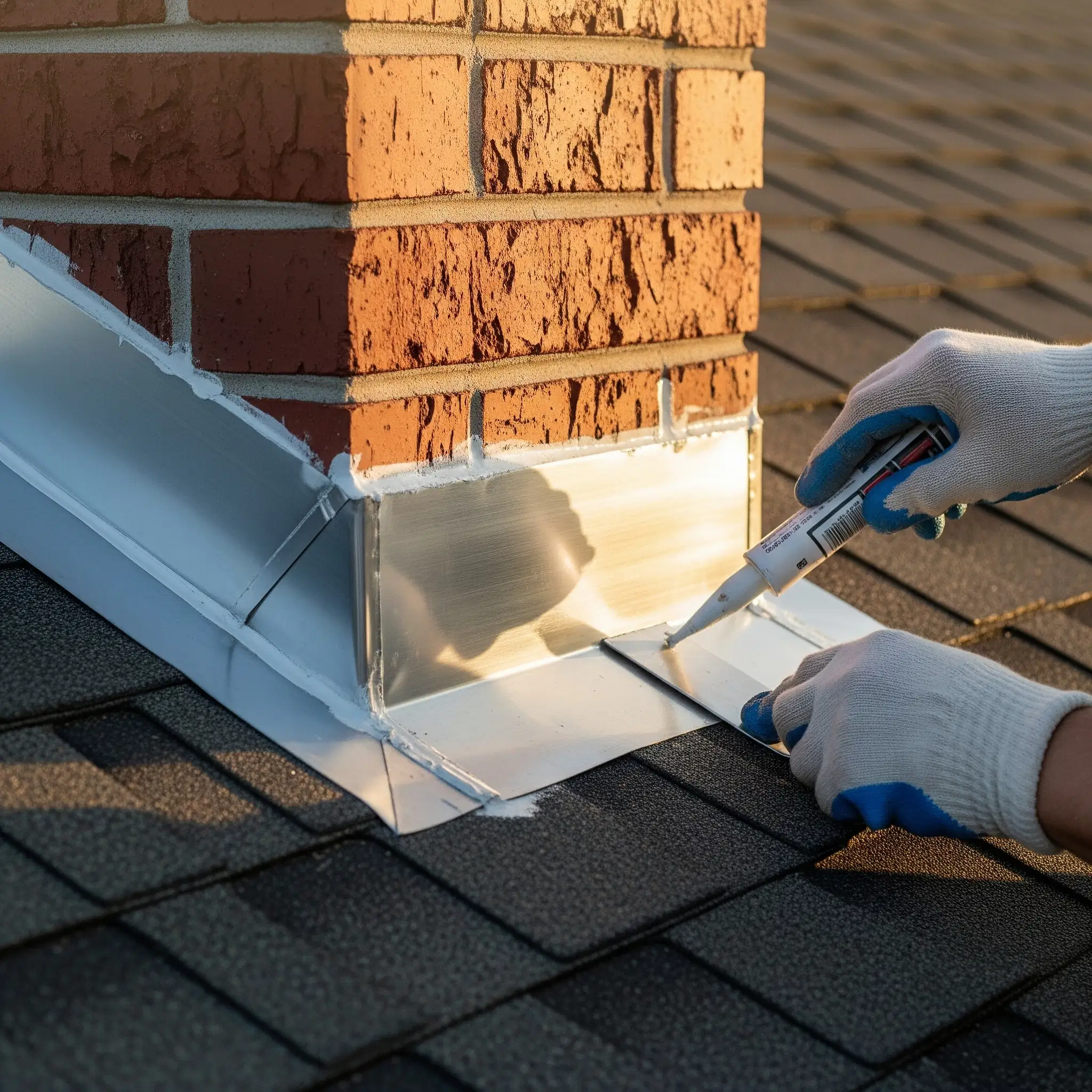
- Inspect Flashing: Flashing is the metal material used to seal joints around chimneys, vents, and skylights. Ensure it is secure, free of rust, and without any gaps or cracks in the sealant.
- Clean Your Gutters: This is one of the most critical steps in preventing ice dams. Gutters clogged with leaves and debris can't drain water effectively. When they freeze, they become the foundation for large ice dams. A thorough cleaning in late fall is essential.
- Look Inside: Head up to your attic on a sunny day and look for any signs of daylight coming through the roof deck. Also, check for water stains, dark spots, or sagging sheathing, which are all clear indicators of an existing leak that will only worsen under a blanket of snow.
When to Call a Professional for Help
While a visual check is a great start, some issues aren't visible to the untrained eye. A professional inspection provides a comprehensive assessment of your roof's condition. At Mainline Roofing and Construction, our core values of integrity and transparency guide every inspection. We provide honest feedback on whether a simple repair is needed or if a more significant issue is looming.
If your inspection reveals missing shingles, damaged flashing, or signs of leaks, it's time to consider professional roof repairs or even a full replacement. For our climate, it's crucial to use high-quality materials designed to withstand harsh winters. Modern architectural shingles offer excellent durability and resistance to wind and moisture. A properly installed full roofing system not only includes quality shingles but also the right underlayment, ventilation, and ice and water shields to create a complete barrier against lake effect snow and ice.
Proper attic ventilation and insulation are also key components of a winter-ready roof. They work together to keep the roof deck's surface temperature consistent, which is the most effective way to prevent the formation of ice dams from the start.
Protect Your Home This Winter
Preparing your roof for winter is one of the most important investments you can make in your home. By understanding the risks of lake effect snow, performing a thorough inspection, and addressing any issues proactively, you can prevent costly damage and ensure your family stays warm and dry. Don't wait for the first blizzard to discover a problem.
If you have concerns about your roof's condition or want a professional assessment, the team at Mainline Roofing and Construction is here to help. We are committed to providing our Cleveland neighbors with high-quality, reliable roofing solutions. Contact us today to schedule a free, no-obligation inspection and face the winter with confidence.