Roof Tear-Off vs. Overlay: Making the Right Choice for Your Home
Every homeowner eventually faces the reality of an aging roof. When that time comes, the process can feel overwhelming, especially when you are trying to balance a household budget with the need for a safe, secure home. One of the most frequent questions we hear from folks in Cleveland is, "Can you install new shingles over old shingles?"
It is an excellent question. The roofing industry refers to this method as a roof overlay, while the alternative is a complete roof tear-off. Both approaches have their place in residential roof replacement, but they offer very different long-term results for your home.
At Mainline Roofing and Construction, our core values are rooted in integrity, honesty, and delivering a high-quality product to our local community. We believe in providing transparent information so you can make the best decision for your property. Let us break down the differences between an overlay and a tear-off, looking at durability, cost, and how our unique regional climate plays a role in the decision.
The Quick Fix: Understanding Roof Overlays
A roof overlay involves installing a brand-new layer of asphalt shingles directly on top of your existing roof. For homeowners looking for a more affordable asphalt shingle roof replacement, this option can seem incredibly appealing at first glance.
The primary benefit of an overlay is the lower upfront cost. Because the roofing crew does not have to spend hours scraping off old materials, hauling them to the edge, and tossing them into a dumpster, the labor costs are significantly reduced. The project also moves much faster, often finishing in a fraction of the time a full replacement would take.
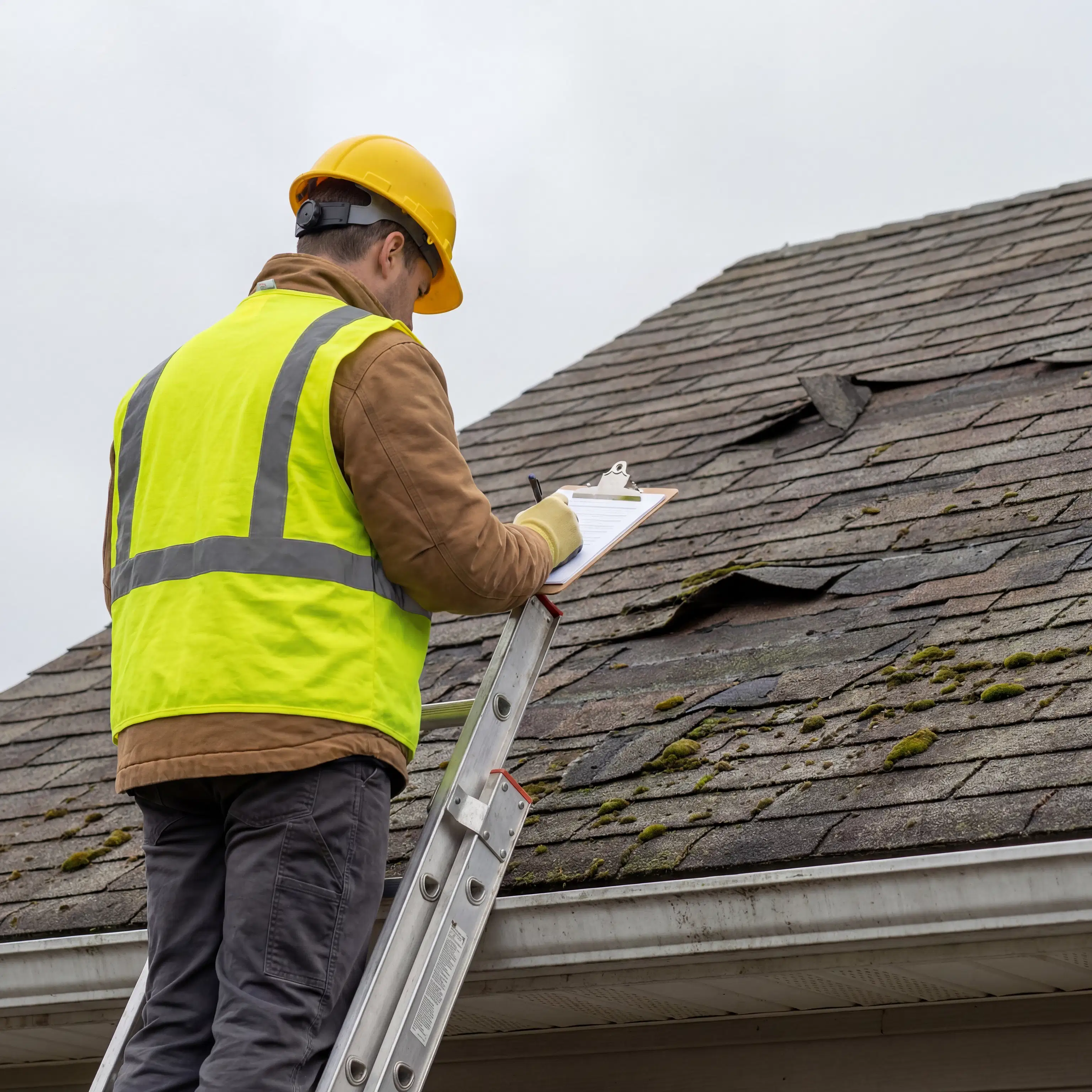
However, overlays come with substantial drawbacks. By leaving the old shingles in place, roofers cannot inspect the underlying wooden roof deck. If there is hidden water damage, soft spots, or wood rot from years of battling Lake Erie weather, those issues will remain trapped beneath the new surface. Furthermore, a second layer of shingles traps excess heat in your attic. This added heat bakes the new shingles from underneath, often shortening their lifespan and voiding manufacturer warranties.
The Clean Slate: Benefits of a Complete Roof Tear-Off
A complete tear-off is exactly what it sounds like. We strip the roof completely bare, removing all old shingles, underlayment, and nails down to the raw wooden decking. We usually stage a disposal dumpster neatly by the tree lawn to keep your property clean and organized throughout the process.
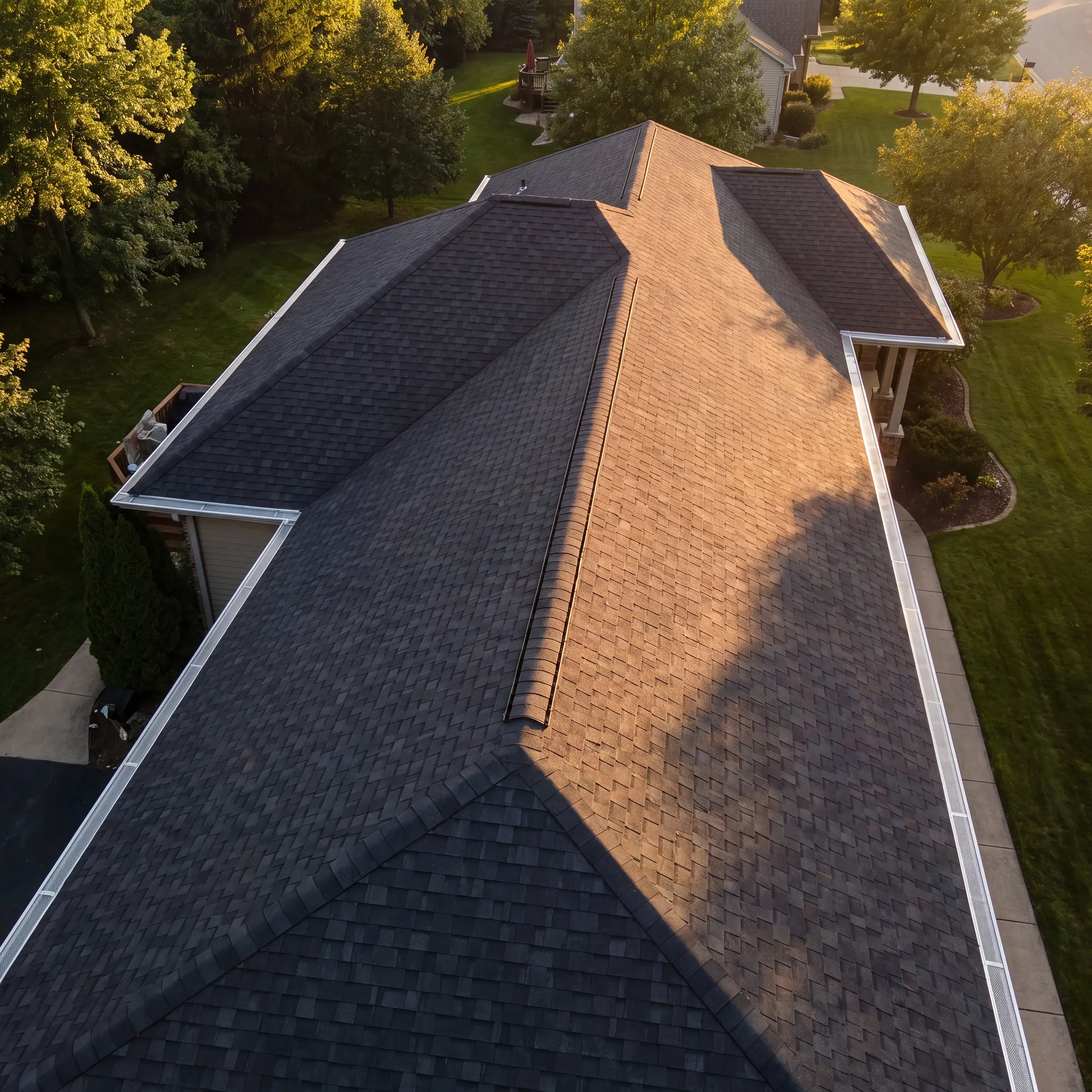
While a tear-off requires a larger initial investment, it is the only way to ensure the foundational integrity of your roof. Once the deck is exposed, our team can identify and replace any rotted or compromised wood. We can then install premium ice and water shields, which are absolutely critical for preventing ice dams when heavy lake-effect snow piles up during the winter.
When we perform full roofing system installations, we are building a cohesive defense mechanism for your home. From proper attic ventilation to high-quality underlayment and durable architectural shingles, a tear-off allows us to guarantee that every component is working together to protect your family.
Navigating Building Codes and Long-Term Value
When comparing roof tear off vs overlay cost and longevity, you also have to consider local regulations. Many homeowners wonder about the building code rules for layering roof shingles. In Cuyahoga County and the surrounding municipalities, building codes generally prohibit installing a third layer of roofing. If your home already has two layers of shingles, a full tear-off is legally required.
Even if you only have one layer currently, adding a second layer adds thousands of pounds of extra weight to your home's structural framing. When you combine the weight of two shingle layers with the massive load of wet, heavy winter snow, you place unnecessary stress on your home's structure.
While an overlay might save you some money today, a complete tear-off offers a much stronger return on investment. A brand-new roof built from the deck up will last longer, perform better in severe weather, and significantly boost your home's resale value. If you ever plan to sell your home, a recent roof overlay can actually serve as a red flag to potential buyers and home inspectors who worry about hidden damage.
Making the Right Investment for Your Home
Choosing between these two methods ultimately comes down to the current condition of your roof, your budget, and your long-term goals for the property. Because we prioritize transparency, we utilize modern drone technology and thorough physical inspections to assess the true condition of your roof before making any recommendations. If your decking is solid and you are on a strict budget, an overlay might be a viable temporary solution. But for lasting peace of mind, a complete tear-off is almost always the superior choice.
At Mainline Roofing and Construction, we specialize in high-quality shingle replacements designed to withstand whatever the seasons throw our way. We are committed to honest assessments and building lasting trust with every homeowner we work with.
Whether you live on the East Side or the West Side, our team is here to help you protect your biggest investment. If you are noticing signs of wear, leaks, or simply know your roof is reaching the end of its life, don't wait for a small leak to become a major structural issue. Reach out through our contact us page today to schedule a comprehensive evaluation of your roof.