
The Unsung Heroes of Your Roof: Why Flashing and Sealants are Your Home's Best Defense
That telltale drip from the ceiling or a mysterious water stain appearing on a wall is a homeowner's nightmare. While it’s easy to blame the shingles, the real culprit behind many roof leaks is often smaller, less obvious components. In the challenging climate of Northeast Ohio, where heavy rains and lake effect snow are a given, the integrity of your roof depends on the details. Two of the most critical, yet often overlooked, of these details are your roof's flashing and sealants.
These elements are the first line of defense against water intrusion at your roof's most vulnerable points. Understanding their role is key to preventing costly damage and ensuring your home stays safe and dry. At Mainline Roofing and Construction, we believe an informed homeowner is an empowered one, so let's pull back the curtain on these essential roofing components.
What Exactly is Roof Flashing?
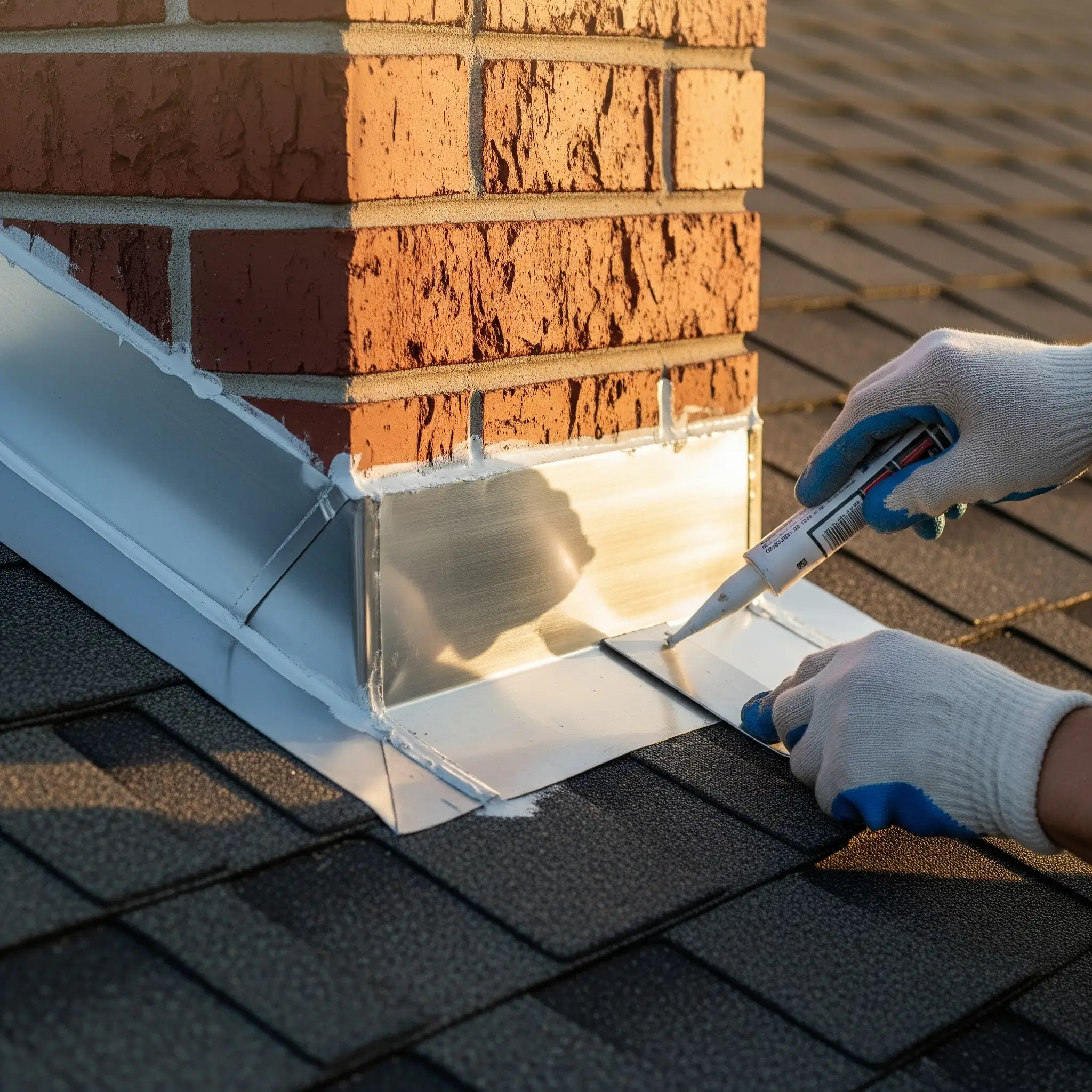
Think of flashing as the guardian of your roof's transitions. It's a thin material, typically made of galvanized steel, aluminum, or copper, that is installed to direct water away from areas where your roof is penetrated or changes direction. Without it, these spots would be open invitations for water to seep into your home's structure.
You'll find flashing in several key areas:
- Valleys: Where two roof planes meet, creating a channel for water runoff.
- Chimneys: At the base where the chimney structure meets the roof deck.
- Vents and Pipes: Around plumbing vents, exhaust fans, and other pipes that exit through the roof.
- Skylights: Sealing the frame of the skylight to the roof.
- Dormers: Along the walls and edges where a dormer window structure joins the main roof.
Properly installed flashing is a hallmark of quality craftsmanship. It works in concert with your shingles, underlayment like an ice and water shield, and your siding and gutters to create a complete, watertight envelope for your home. This is a non-negotiable part of any professional full roofing system installation.
Warning Signs: How to Spot Failing Flashing and Sealants
Because flashing and sealants are exposed to the same harsh elements as the rest of your roof, they can degrade over time. Catching problems early can be the difference between a simple repair and a major structural issue. Here are some common signs that your flashing or sealants may be failing:
- Visible Rust or Corrosion: Metal flashing, especially older steel, can rust. This corrosion can create small holes that allow water to penetrate.
- Cracked or Peeling Sealant: The sealant or caulk used to waterproof the edges of the flashing can dry out, crack, and pull away, breaking the watertight seal.
- Bent or Detached Flashing: High winds or ice buildup can sometimes lift or damage pieces of flashing, leaving gaps for water to enter.
- Interior Water Stains: Stains on your ceiling or walls, particularly around a fireplace or skylight, are a classic indicator of a flashing leak.
- Dampness in the Attic: After a heavy rain, check your attic for signs of moisture or drips around vents and chimneys.
If you notice any of these issues, it's crucial to have a professional inspection. Often, a targeted roof repair can address the problem before it escalates.
The Importance of Professional Installation and Quality Materials
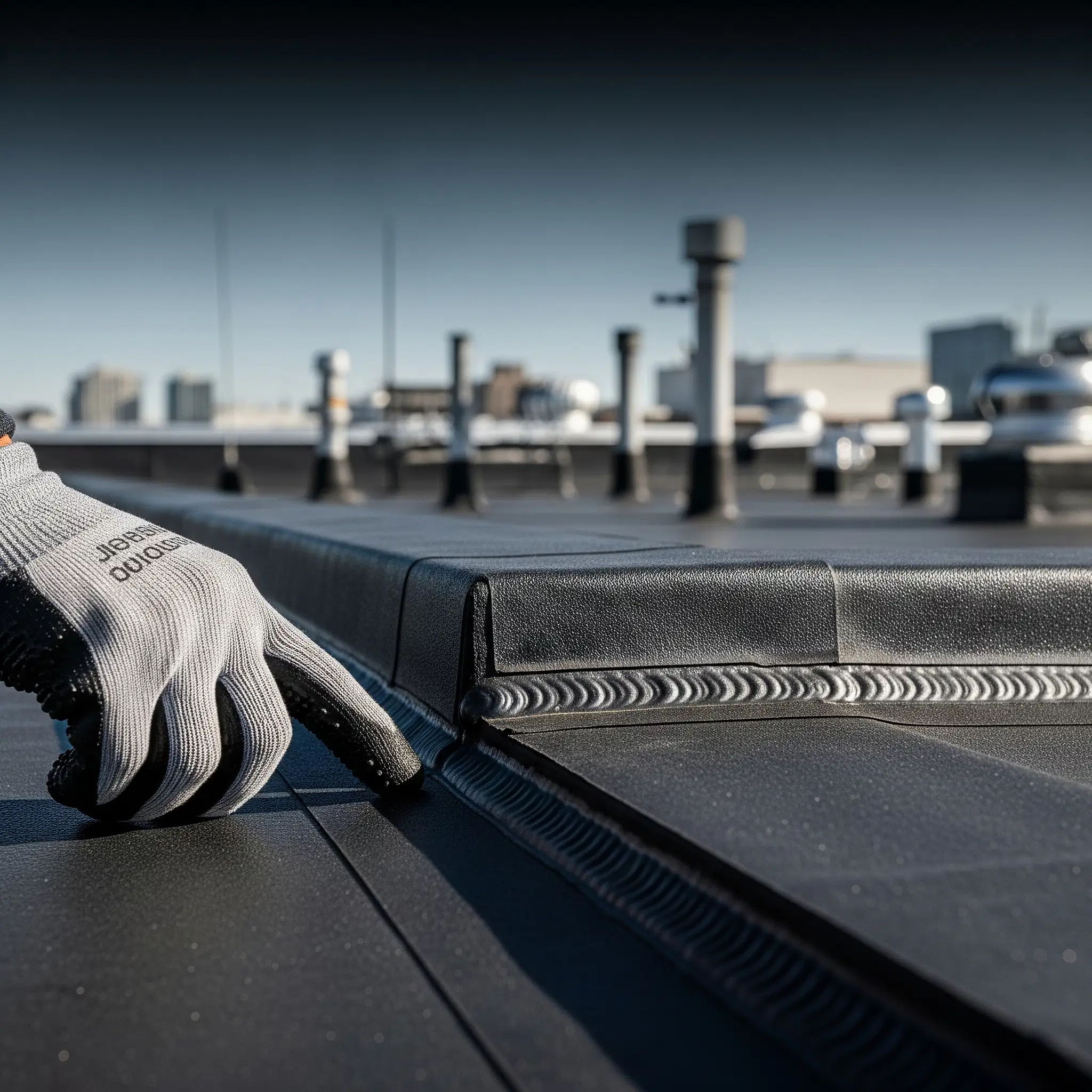
Flashing installation is not a DIY job. It requires precision, knowledge of how water behaves, and experience in cutting and shaping the material to fit perfectly. An improperly installed piece of flashing can actually direct water into your home instead of away from it.
Equally important are the materials used. While it might be tempting to save a few dollars with lower-grade materials, this is where quality truly matters. We use professional-grade sealants designed to remain flexible through freezing winters and hot summers, preventing the cracking and shrinking that leads to failure. This commitment to integrity and using high-quality products is central to our work. We believe in doing the job right the first time to ensure your roof provides lasting protection and peace of mind.
Regular inspections are the best way to ensure these critical components are in good shape. A professional can spot subtle signs of wear and tear that might go unnoticed from the ground, allowing for proactive maintenance that extends the life of your entire roof.
Protect Your Biggest Investment with Mainline Roofing
Your roof's flashing and sealants may be out of sight, but they should never be out of mind. They are essential for protecting your home from the persistent threat of water damage, especially here in the Cleveland area. Paying attention to these details is what separates a standard roofing job from a superior one that will stand the test of time.
Don't let a small leak in your flashing turn into a major headache. If you've seen any of the warning signs mentioned above or simply want the assurance that your roof is secure, reach out to the experts at Mainline Roofing and Construction. We offer thorough inspections and professional roof repairs and replacements to keep your home safe and dry. Contact us today to schedule a free estimate and ensure your roof is ready for whatever the seasons bring.