
Understanding Shingle Wind Uplift and Creasing
Living along the North Coast comes with its fair share of beautiful summer days and notoriously unpredictable weather. As homeowners in Cleveland know all too well, the same breezes that make a summer evening enjoyable can turn into fierce, howling gusts by late autumn. When high winds sweep off the lake, your home's exterior takes the brunt of the force, and your roof is your first line of defense.
While missing shingles are easy to spot from the driveway, some of the most severe storm damage is practically invisible to the untrained eye. Two of the most common, yet easily overlooked, types of wind damage are shingle wind uplift and creasing. If left unchecked, these subtle issues can compromise your home's structural integrity, leading to significant water damage and the need for premature shingle replacements.
In this guide, we will break down exactly what happens to your roof during a severe windstorm, how to spot the early warning signs of damage, and why addressing these issues quickly can save you money and stress.
The Hidden Danger of Wind Uplift
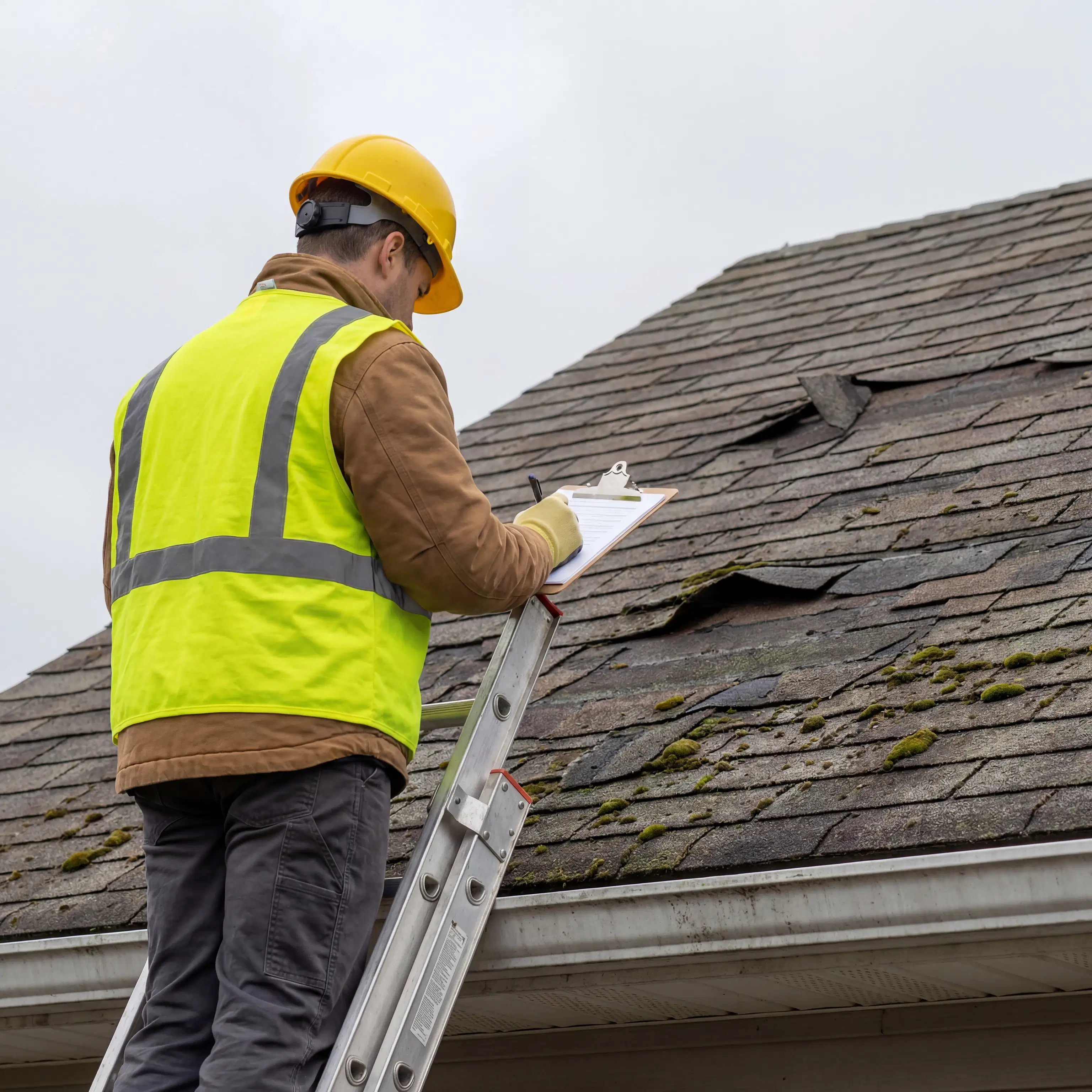
To understand how wind damages a roof, it is helpful to understand how shingles are designed to stay put. Most modern architectural asphalt shingles feature a line of factory-applied adhesive—often called a sealant strip. When the sun heats your newly installed roof, this adhesive activates and bonds each shingle securely to the one beneath it, creating a watertight, wind-resistant seal.
However, when high winds hit your roof, they don't just push down on the materials; they also move rapidly over the surface. This rapid movement creates an aerodynamic effect similar to an airplane wing, generating a vacuum or negative pressure above the roof surface. This upward pull is known as wind uplift.
If the wind gusts are strong enough, or if the roof is older and the adhesive has been weakened by years of harsh freeze-thaw cycles, the upward force can exceed the strength of the adhesive. This results in shingle sealant strip failure from high winds.
Once that seal is broken, the shingle is no longer fastened securely at its bottom edge. It may lay flat again when the wind dies down, making the roof look perfectly fine from the ground, but the critical watertight bond has been destroyed.
Recognizing the Signs of Damage
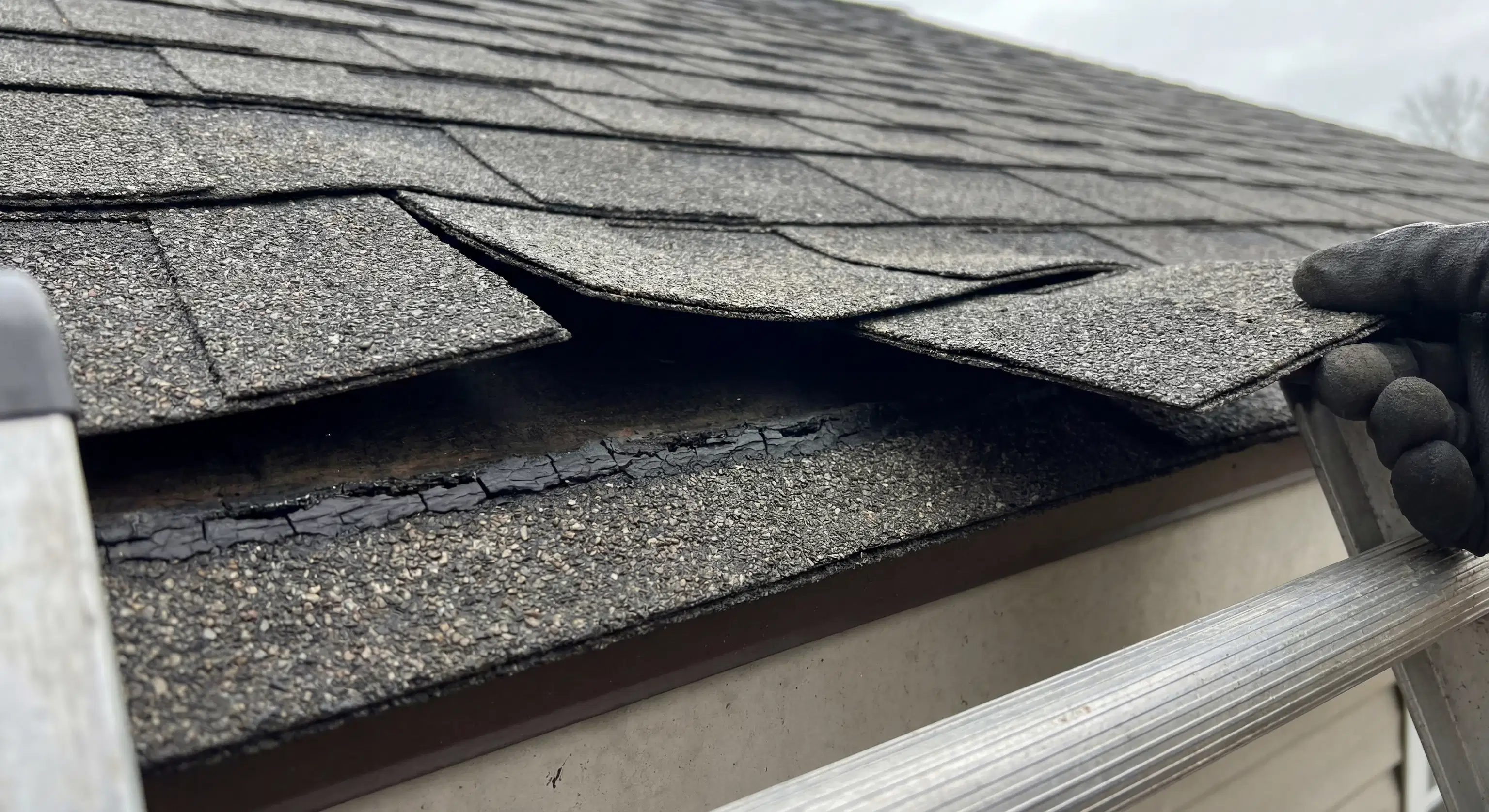
When a sealant strip fails, the unanchored shingle is free to flap in the wind during subsequent storms. Every time the wind catches that loose edge, it bends the shingle backward. Asphalt shingles are durable, but they are not designed to function like door hinges. Repeated bending weakens the fiberglass mat at the core of the shingle and dislodges the protective mineral granules on the surface.
So, how to identify wind creased shingles?
If you can safely view your roof from a window or through binoculars, look for a dark, horizontal line running across the top third of a shingle. This crease is where the shingle has been folded backward by the wind. The dark appearance is usually caused by the loss of colored granules along the fold, exposing the black asphalt underneath.
Creased shingles are permanently damaged. Even if they haven't blown off the roof entirely, their structural integrity is gone. The crease acts as a weak point where the shingle will eventually break off entirely, and in the meantime, it provides an easy entry point for moisture.
Protecting Your Home Before the Next Storm
One of the biggest mistakes a homeowner can make is assuming their roof is fine simply because no shingles are missing or there aren't active water stains on the ceiling.
Repairing wind lifted shingles before leaks start is critical to preserving the life of your roof and the safety of your home's interior. When a sealant strip is broken, wind-driven rain can easily be forced under the shingle, reaching the underlayment and eventually the wood decking. In our region, this becomes even more hazardous during the winter. When heavy lake-effect snow sits on a damaged roof, the melting water can easily find its way beneath unsealed shingles, refreezing at night and expanding to pry the roofing materials further apart.
Following a major weather event, it is unfortunately common for out-of-state storm chasers to flood local neighborhoods, knocking on doors and offering quick fixes. These pop-up companies often lack understanding of our specific local building codes or the unique weatherproofing required for Lake Erie weather. Furthermore, they are rarely around to honor a warranty when their rushed work inevitably fails.
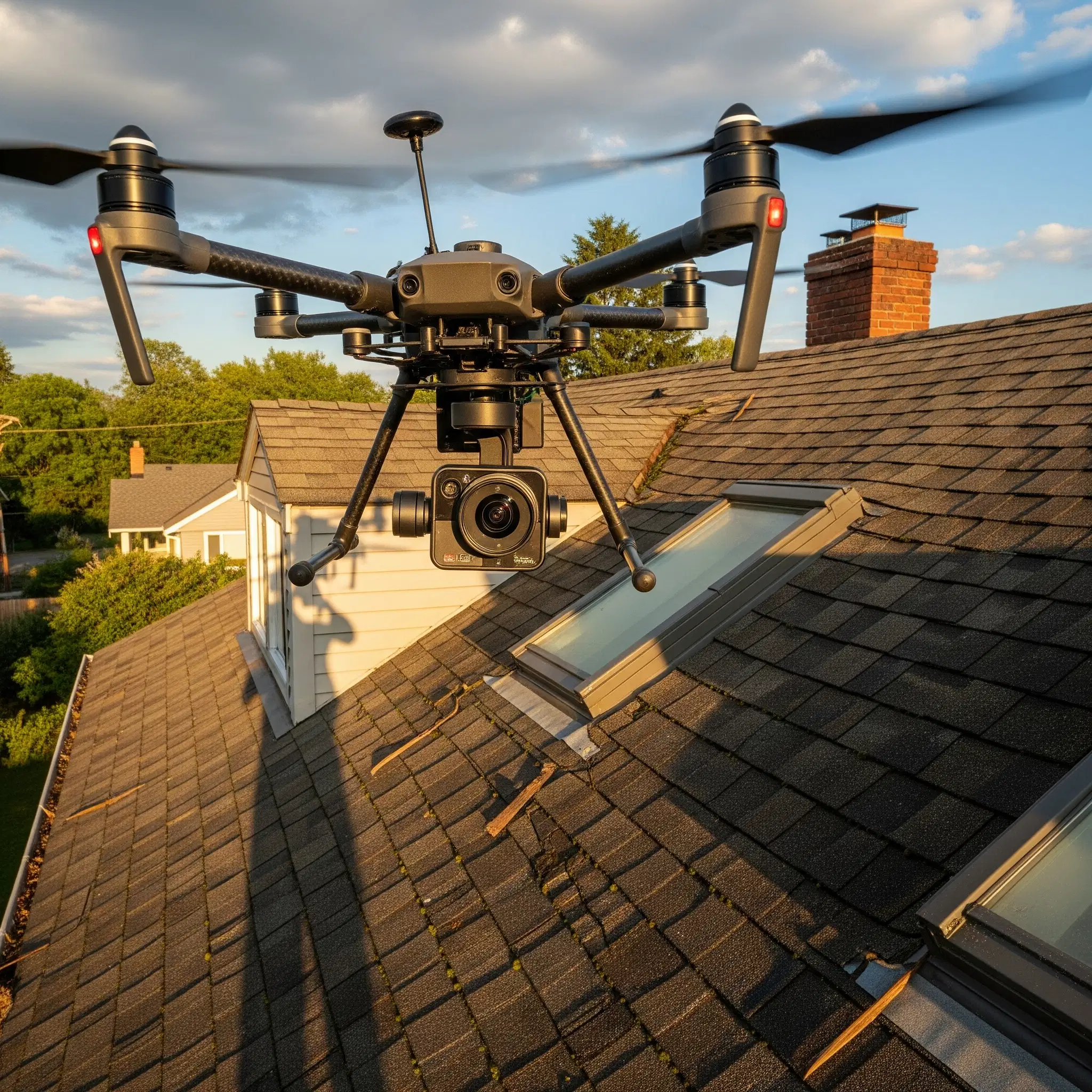
Instead, trust a reputable, local company that understands the specific challenges of maintaining homes in our climate. A professional inspection using modern technology, such as aerial drone photography, can safely and accurately identify broken sealant strips and creasing without causing further damage to the roof.
At Mainline Roofing and Construction, we prioritize honest assessments and high-quality craftsmanship. Whether you need a few minor fixes or a complete system overhaul, we offer comprehensive roof repairs and replacements designed to withstand the toughest weather Cuyahoga County has to offer. Don't wait for a small leak to turn into a major structural problem. If you suspect recent storms have impacted your home, contact us today to schedule a thorough, transparent evaluation.