Understanding Workmanship Versus Manufacturer Roofing Warranties
Investing in a new roof is one of the most significant financial commitments you will make for your home. When you begin researching your options, evaluating roofing cost, and meeting with local contractors, you will inevitably hear a lot about warranties. However, a common source of confusion for many homeowners in The Land is understanding exactly what these guarantees actually cover. If a storm rolls through or a leak develops down the line, who is responsible?
At Mainline Roofing and Construction, we believe that an informed homeowner is an empowered homeowner. When it comes to protecting your property, assuming that a single piece of paper covers every possible scenario can lead to frustrating surprises. To help you make the best decision for your home, we are breaking down the essential difference between workmanship and manufacturer roofing warranty protections, how they work together, and what you need to look out for in the fine print.
What is a Manufacturer Warranty?
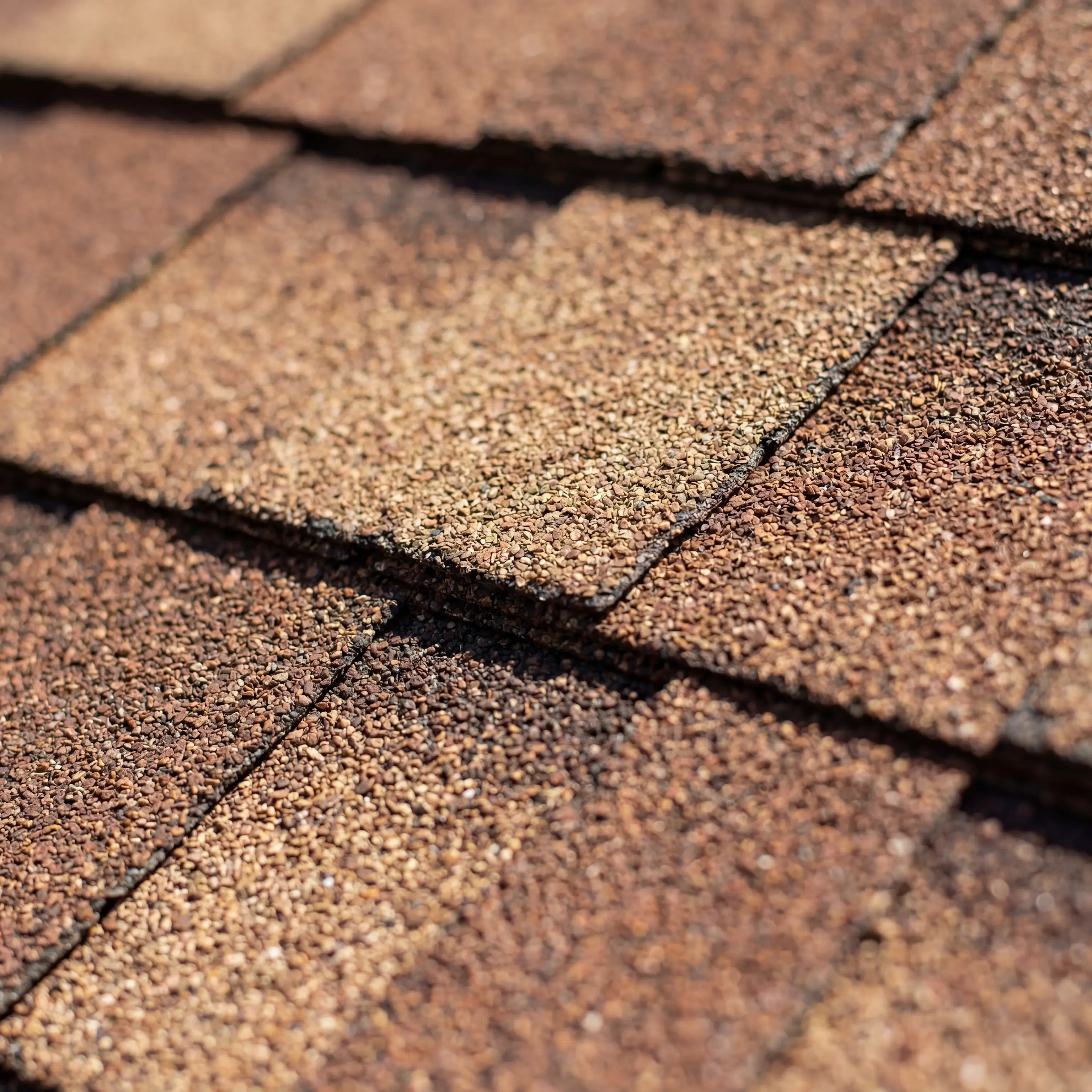
When roofing companies discuss manufacturer warranties, they are referring to the guarantee provided by the company that actually produced the physical materials used on your roof. Whether you choose traditional asphalt, metal, or composite materials, these warranties are designed specifically to protect you against factory defects.
If the shingles deteriorate prematurely, lose their protective granules at an abnormal rate, or fail to hold up to standard weather conditions due to a flaw in how they were made, the manufacturer warranty kicks in. Depending on the quality of the materials you select, these warranties can last anywhere from 20 years to a lifetime.
However, it is crucial to understand what this warranty does not cover. A manufacturer will not pay for damages caused by severe weather events like hail or fallen tree branches—those are issues for your homeowners insurance. More importantly, they will not cover failures that occur because the materials were installed incorrectly. If a contractor cuts corners or ignores the manufacturer's specific installation guidelines, your material warranty can be completely voided, leaving you responsible for the cost of future shingle replacements.
What Does a Roofing Workmanship Warranty Cover?
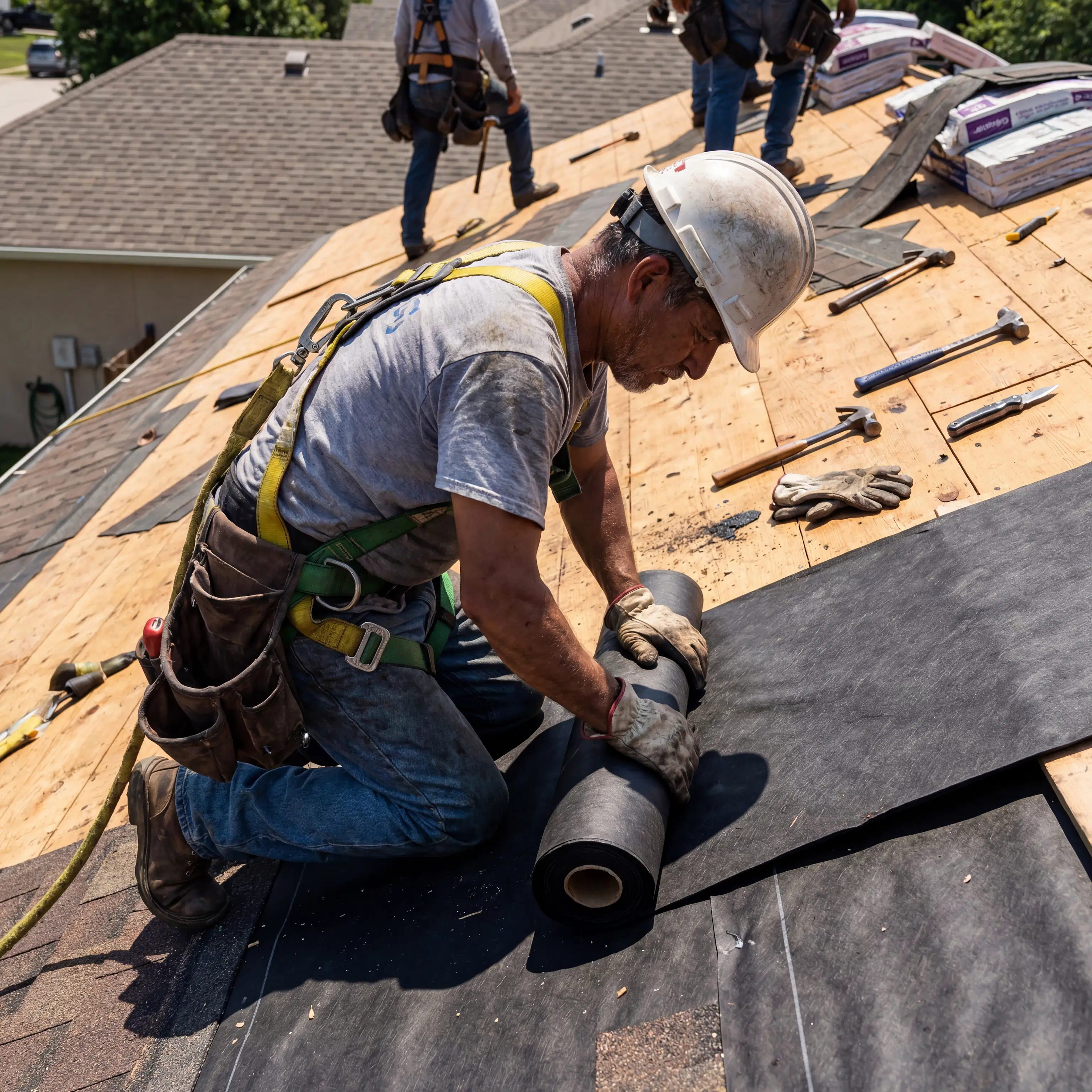
This is where the contractor's guarantee comes into play. A workmanship warranty is provided directly by the roofing professional who installs your roof, and it specifically covers the quality of the labor and installation process.
So, what does a roofing workmanship warranty cover exactly? It protects you against installation errors. If a roof leak repair becomes necessary because flashing was improperly secured around your chimney, or if shingles blow off during a moderate storm because they were nailed incorrectly, the contractor who performed the work is responsible for fixing the problem at no additional cost to you.
Because of the ongoing skilled labor shortage in the trades, finding a contractor who stands firmly behind their team's labor is more important than ever. At Mainline Roofing and Construction, integrity, transparency, and a commitment to delivering a high-quality product are our core values. We do not just want to finish the job and move on; we want to build lasting relationships within our local community. We ensure our installation practices meet the strictest standards so you can rest easy knowing the job was done right the first time.
Roof Replacement Warranty Terms Explained: The Fine Print
Even with top-tier materials and excellent installation, homeowners must uphold their end of the bargain to keep warranties valid. One of the most common reasons warranties are voided is improper attic ventilation. Without adequate airflow, heat and moisture build up, literally baking your shingles from the inside out and causing premature aging.
Additionally, harsh regional weather can complicate matters. In our area, severe freeze-thaw cycles and heavy lake effect snow can create ice dams on the edge of your roof. While quality ice and water shields help prevent leaks, failing to perform routine maintenance or hiring unauthorized handymen to patch small issues can easily void both your manufacturer and workmanship protections. Always consult with your original contractor or read your warranty documents before making alterations or installing features like solar panels or skylights.
Comprehensive Protection for Your Home
Ultimately, a durable, long-lasting roof requires a combination of premium materials backed by a strong manufacturer warranty and flawless installation backed by a comprehensive workmanship warranty. When you understand how these two protections work together, you can confidently navigate your options and avoid common industry pitfalls.
Whether you need an inspection after a harsh winter or you are planning for full roofing system installations, working with a local contractor who prioritizes honesty and quality is your best defense against unexpected costs. If you have questions about upgrading your exterior or need help decoding your current warranty coverage, contact us at Mainline Roofing and Construction today. We are proud to provide homeowners across Northeast Ohio with reliable roofing services and peace of mind that lasts for decades.